Fennec Fox
Desert

The fennec fox is the smallest fox, but it has the biggest ears. Its huge ears let body heat escape and can even pick up the sound of insects hiding in the sand.
Quick facts
- Habitat
- It lives in the Sahara Desert and the dry lands of North Africa.
- Diet
- It eats insects, small reptiles, eggs, and fruit.
- Size and weight
- Length 20–40cm, weight 1–1.5kg.
- Lifespan
- About 10–14 years
- Conservation status
- Least Concern
- Fun facts
- It barely drinks water because it gets moisture from its food!
It's nocturnal and only comes out at night to avoid the daytime heat.
Learn more
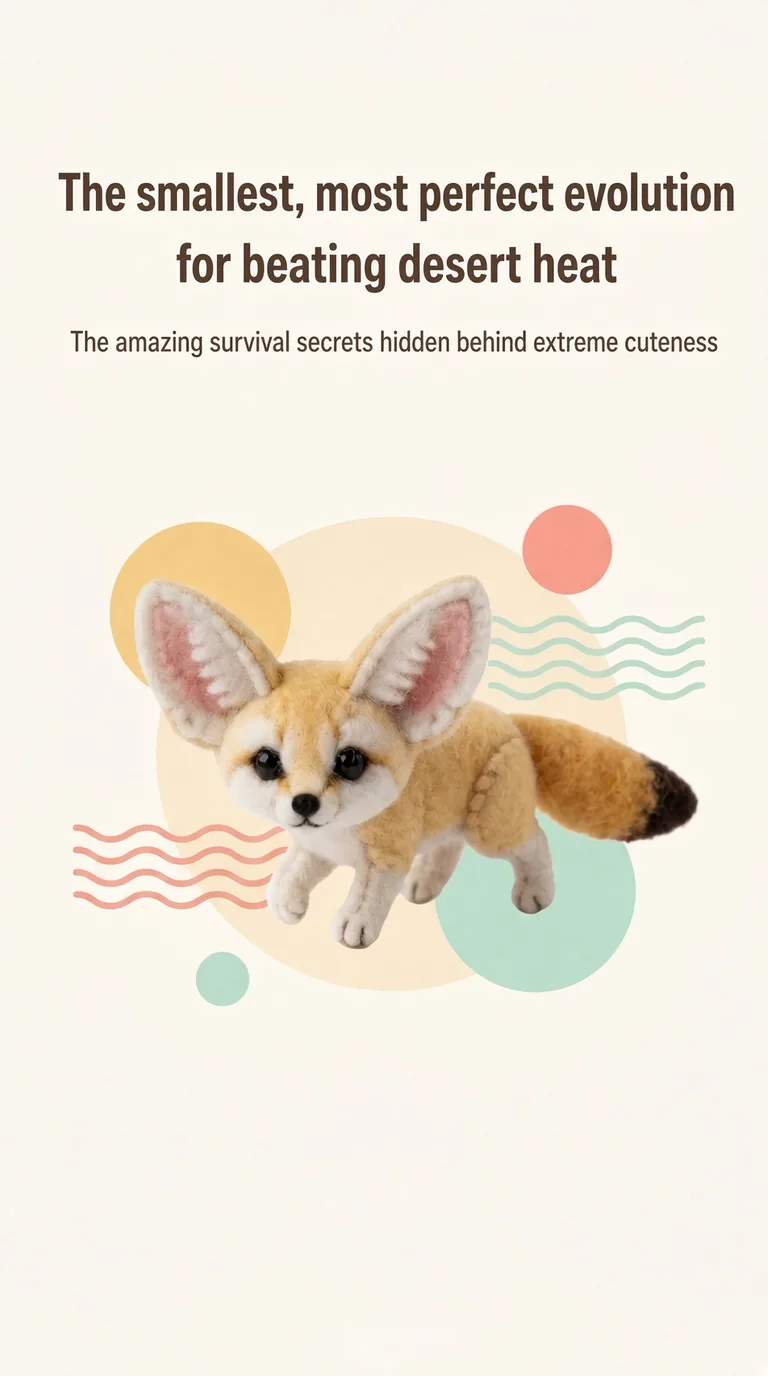
The smallest, most perfect evolution for beating desert heat
The amazing survival secrets hidden behind extreme cuteness
The smallest fox in the world
A dainty little body raised by the Sahara Desert
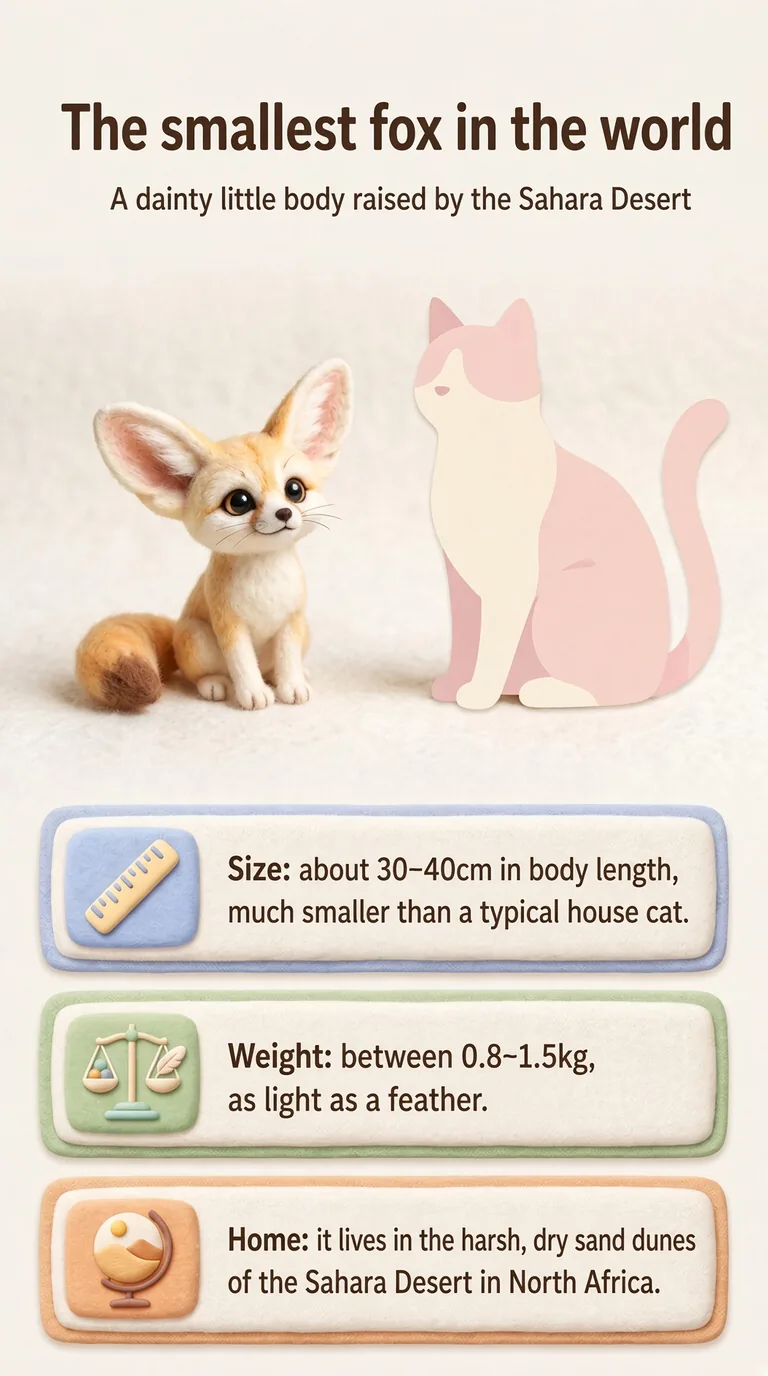
- Size — about 30–40cm in body length, much smaller than a typical house cat.
- Weight — between 0.8–1.5kg, as light as a feather.
- Home — it lives in the harsh, dry sand dunes of the Sahara Desert in North Africa.
Are its ears a natural air conditioner?!
The amazing science hidden in its 15cm giant ears
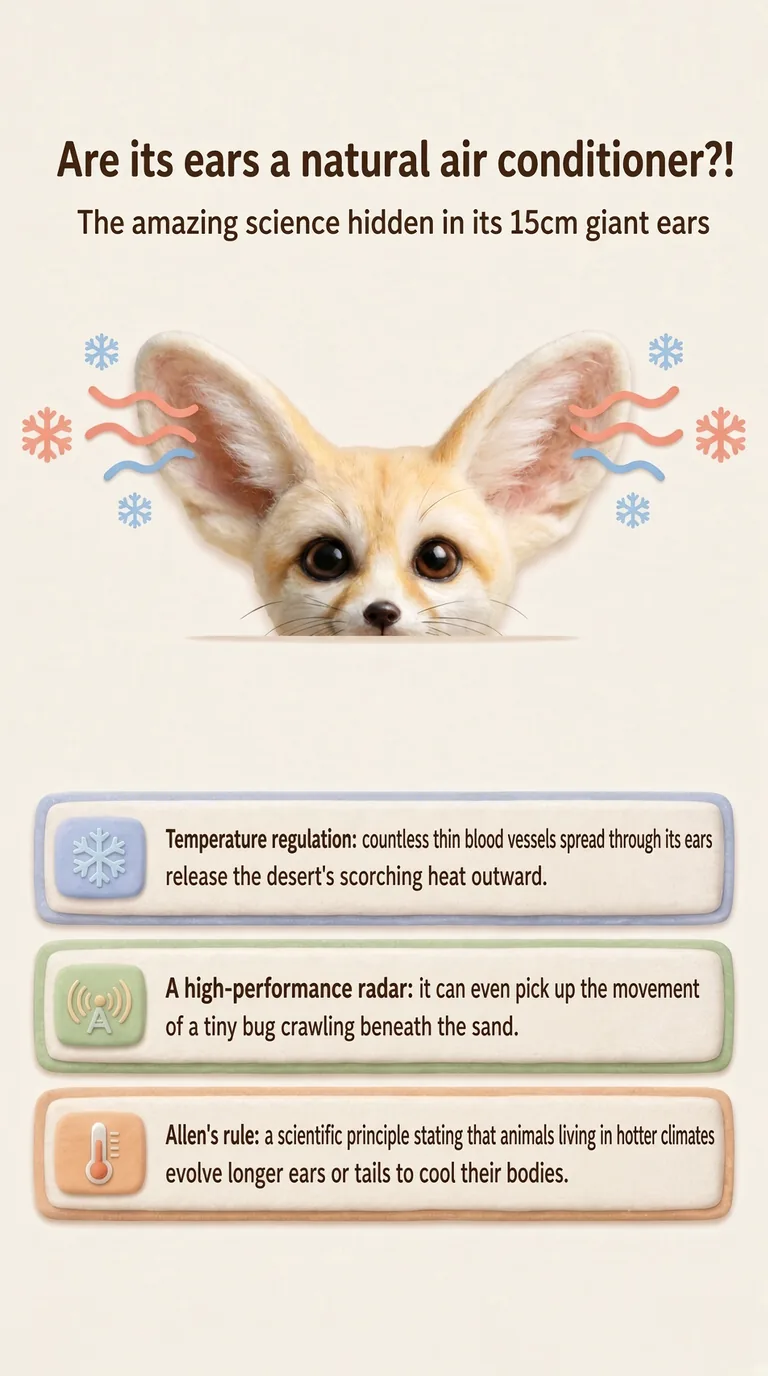
- Temperature regulation — countless thin blood vessels spread through its ears release the desert's scorching heat outward.
- A high-performance radar — it can even pick up the movement of a tiny bug crawling beneath the sand.
- Allen's rule — a scientific principle stating that animals living in hotter climates evolve longer ears or tails to cool their bodies.
Sand boots that prevent burns
A fur coat optimized for the desert from head to toe
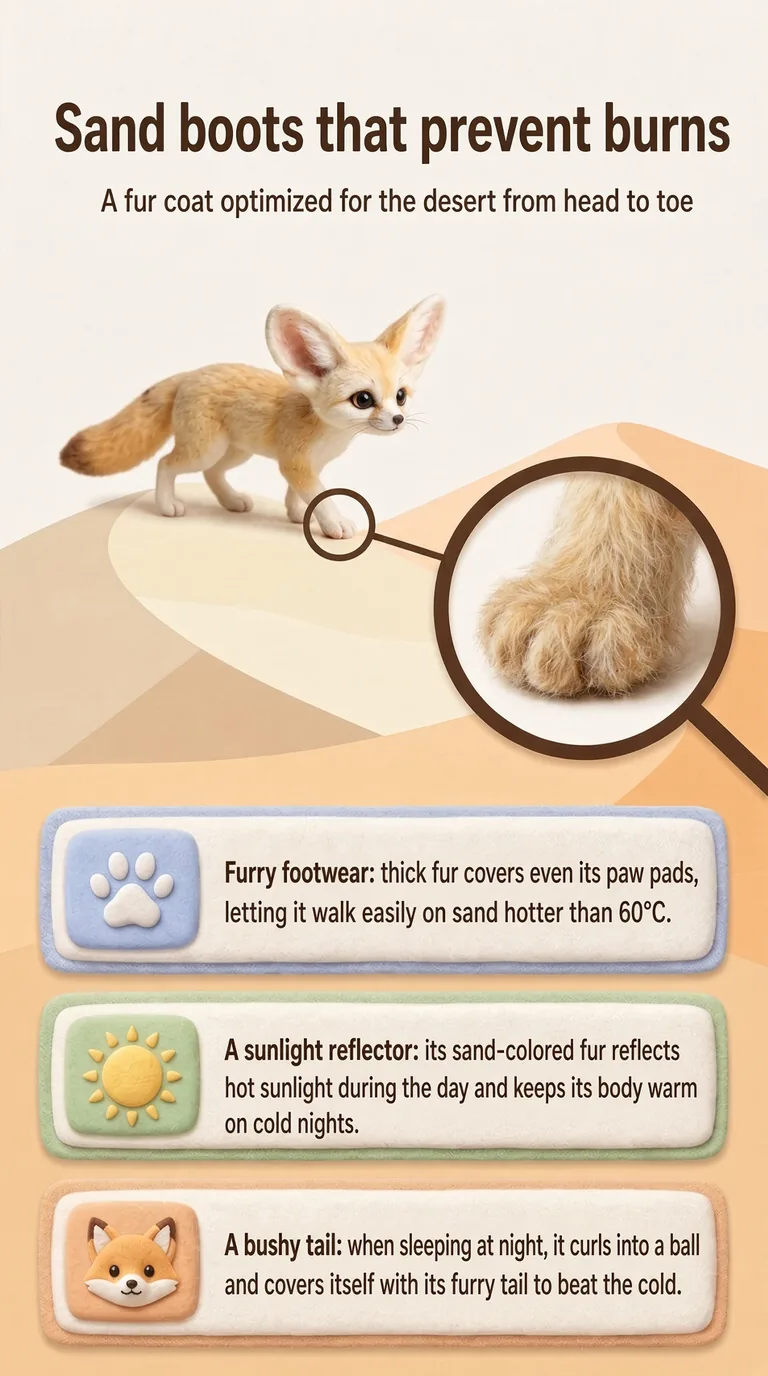
- Furry footwear — thick fur covers even its paw pads, letting it walk easily on sand hotter than 60°C.
- A sunlight reflector — its sand-colored fur reflects hot sunlight during the day and keeps its body warm on cold nights.
- A bushy tail — when sleeping at night, it curls into a ball and covers itself with its furry tail to beat the cold.
A diet that survives without water
A special way of finding moisture in the parched desert
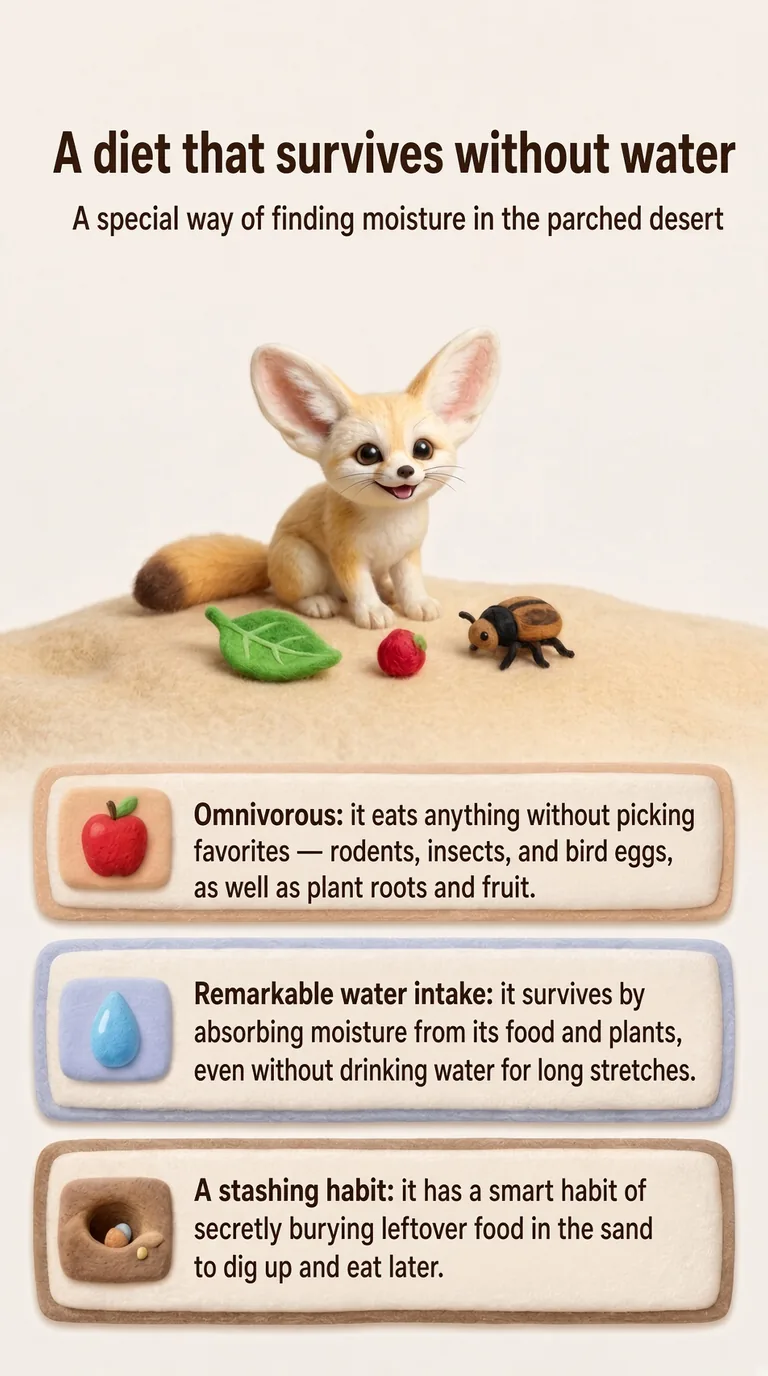
- Omnivorous — it eats anything without picking favorites — rodents, insects, and bird eggs, as well as plant roots and fruit.
- Remarkable water intake — it survives by absorbing moisture from its food and plants, even without drinking water for long stretches.
- A stashing habit — it has a smart habit of secretly burying leftover food in the sand to dig up and eat later.
A sprinter flying across the sand
A small but incredibly swift desert hunter
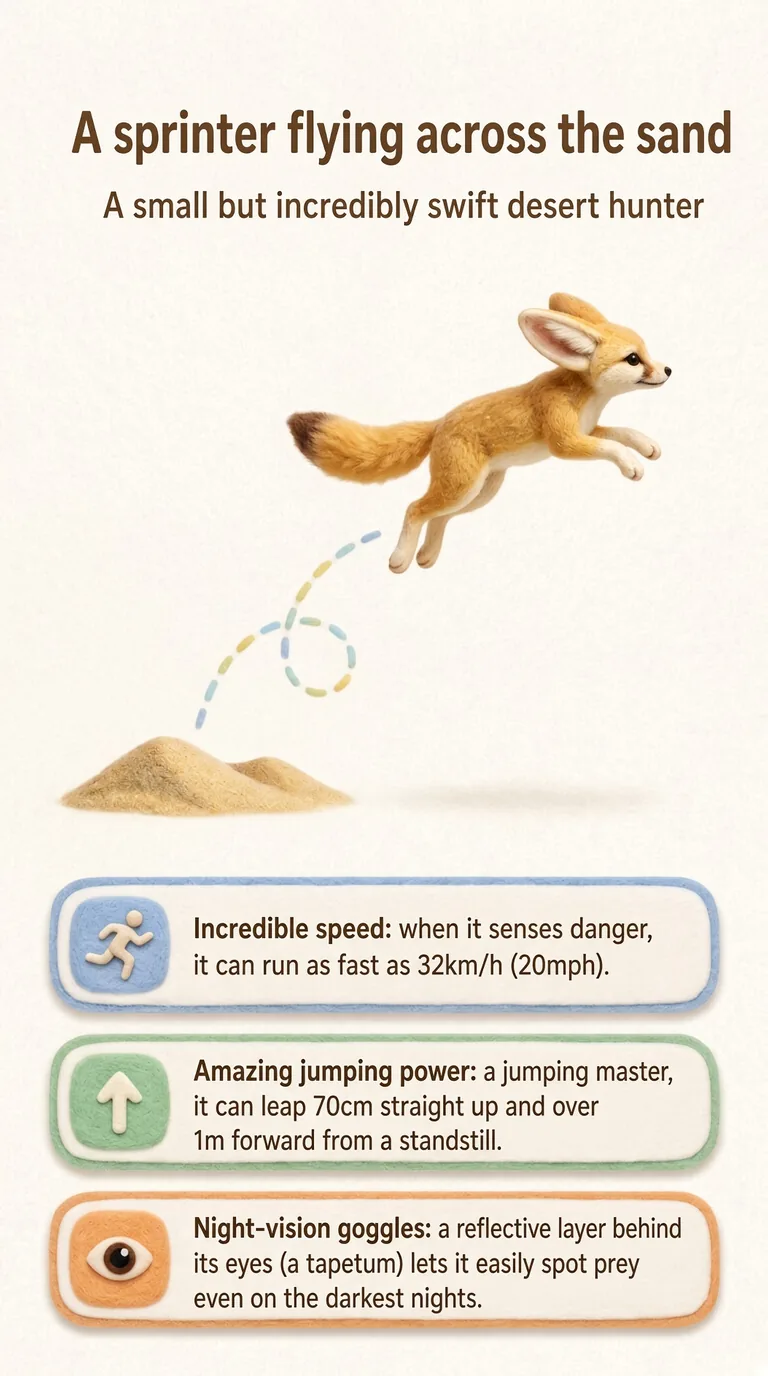
- Incredible speed — when it senses danger, it can run as fast as 32km/h (20mph).
- Amazing jumping power — a jumping master, it can leap 70cm straight up and over 1m forward from a standstill.
- Night-vision goggles — a reflective layer behind its eyes (a tapetum) lets it easily spot prey even on the darkest nights.
A close-knit, loving extended family
A perfect community life that overcomes a harsh environment
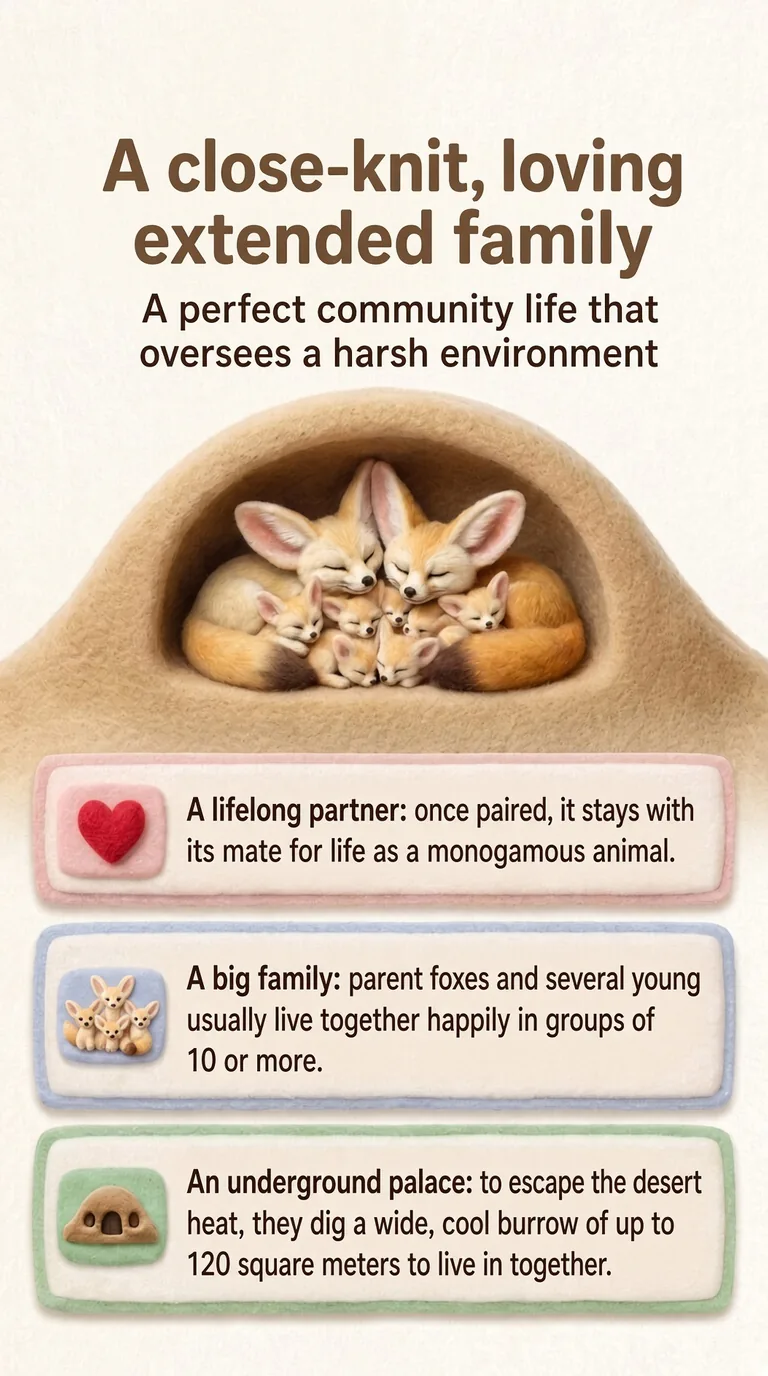
- A lifelong partner — once paired, it stays with its mate for life as a monogamous animal.
- A big family — parent foxes and several young usually live together happily in groups of 10 or more.
- An underground palace — to escape the desert heat, they dig a wide, cool burrow of up to 120 square meters to live in together.