White Stork
Europe
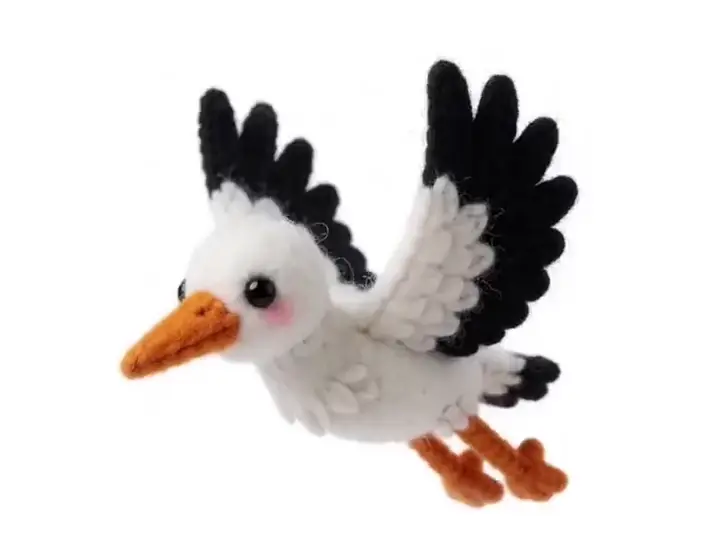
The white stork is an elegant bird with a white body, black wings, and a red beak and legs. After raising its chicks in Europe, it flies all the way to Africa for the winter. For a long time, people have seen it as a bird that brings good luck.
Quick facts
- Habitat
- It breeds in Europe's countryside fields and spends the winter in Africa.
- Diet
- It eats frogs, small snakes, and insects.
- Size and weight
- Height 100–115cm, wingspan 200–220cm.
- Lifespan
- About 30 years
- Conservation status
- Least Concern
- Fun facts
- Every year it flies thousands of km and returns to the same nest!
It can't make calls, so it talks by clattering its beak.
Learn more
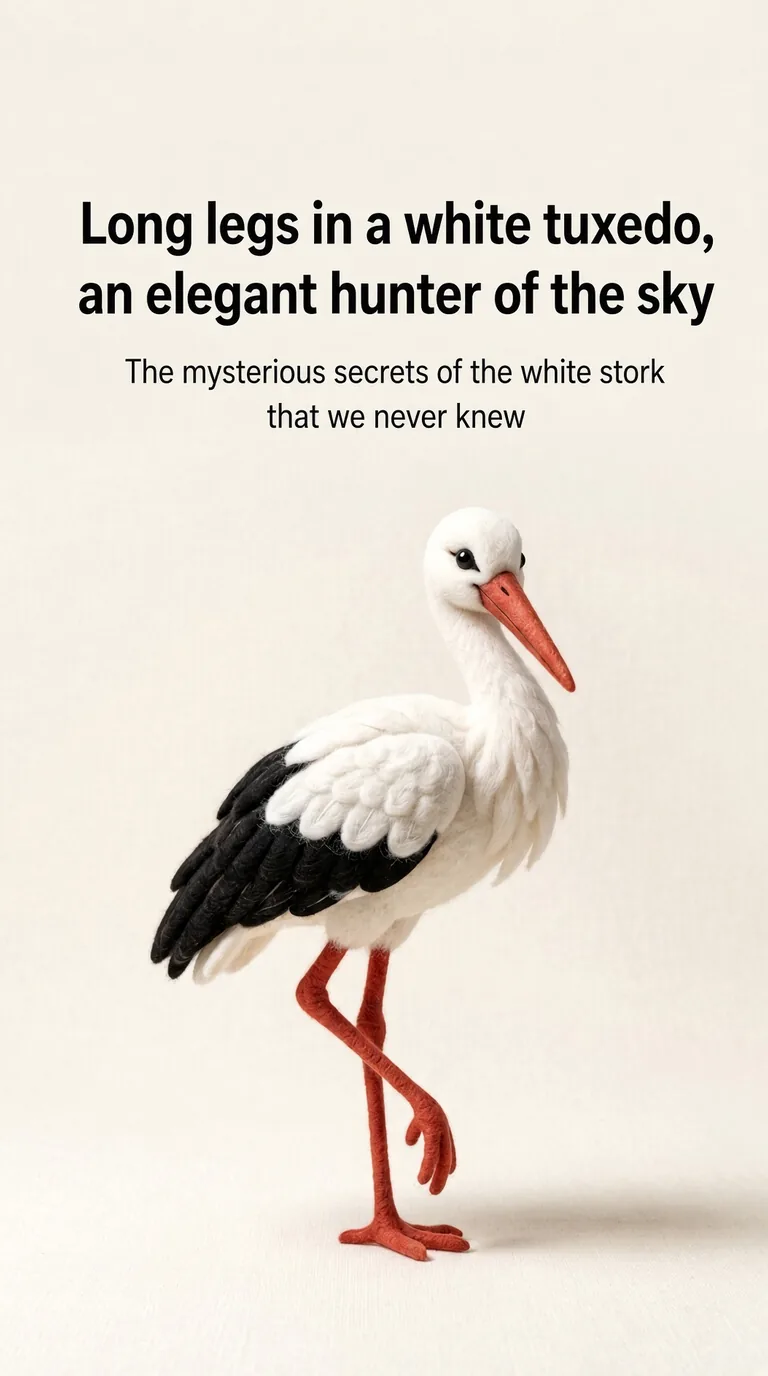
Long legs in a white tuxedo, an elegant hunter of the sky
The mysterious secrets of the white stork that we never knew
The secret of its elegance
The white stork's unique charm points
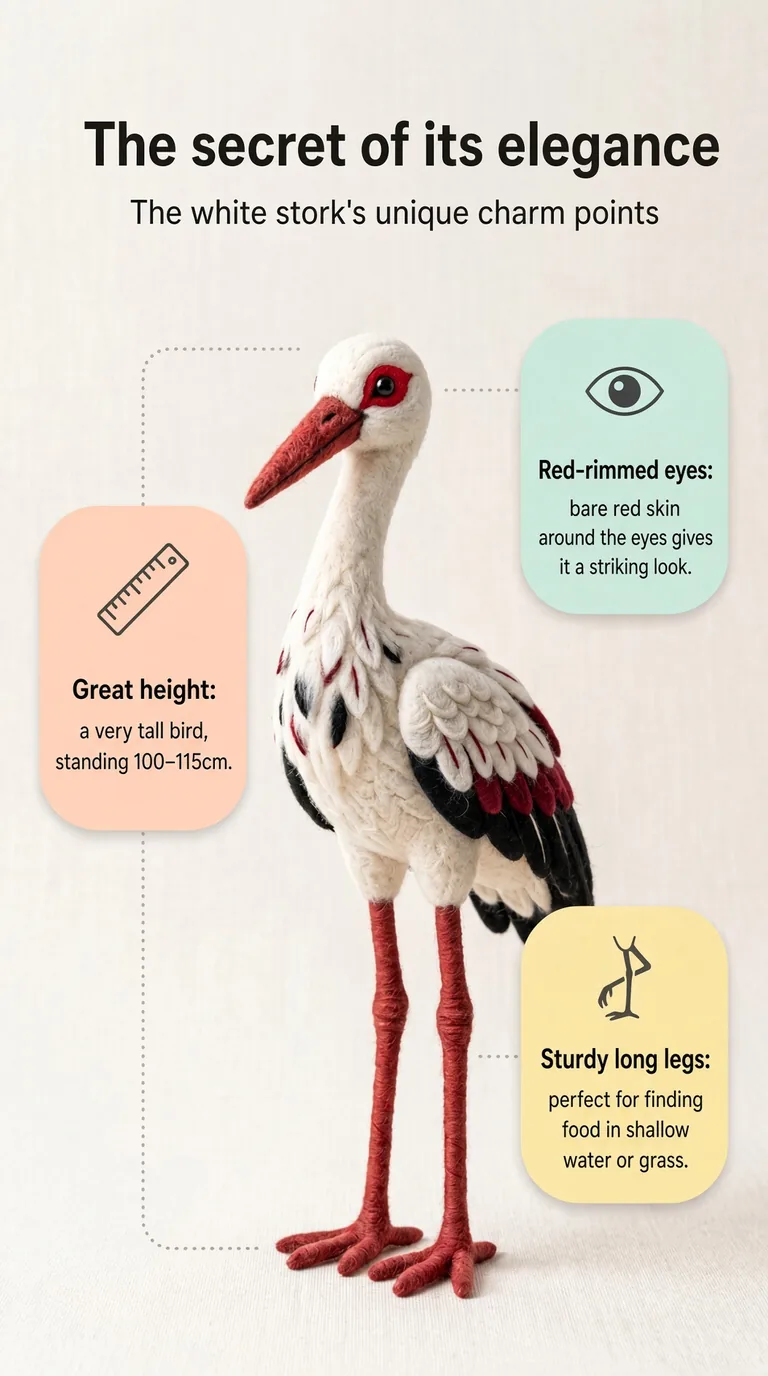
- Red-rimmed eyes — bare red skin around the eyes gives it a striking look.
- Great height — a very tall bird, standing 100–115cm.
- Sturdy long legs — perfect for finding food in shallow water or grass.
Why are its wingtips black?
A smart choice for both beauty and survival
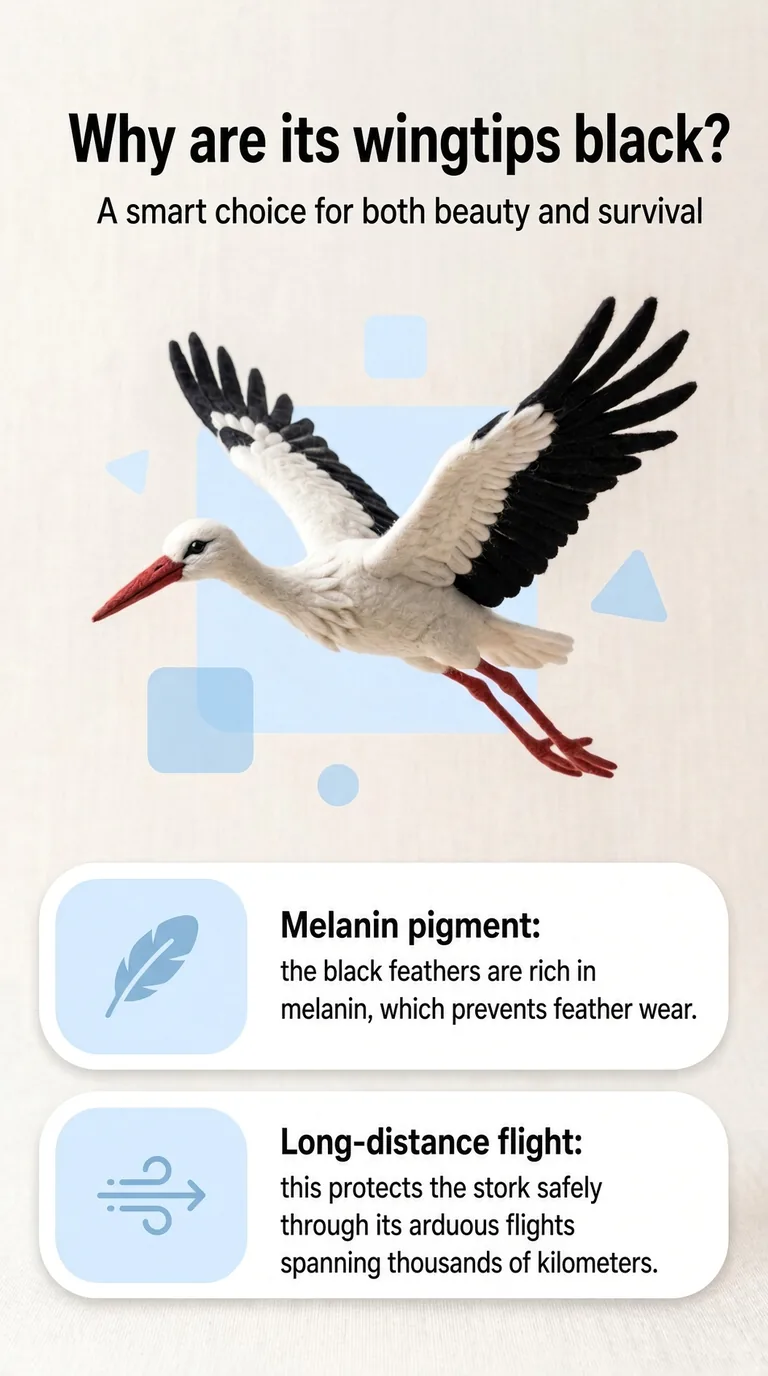
- Melanin pigment — the black feathers are rich in melanin, which prevents feather wear.
- Long-distance flight — this protects the stork safely through its arduous flights spanning thousands of kilometers.
Using its beak instead of its voice!
The stork's unique way of talking, called "clattering"
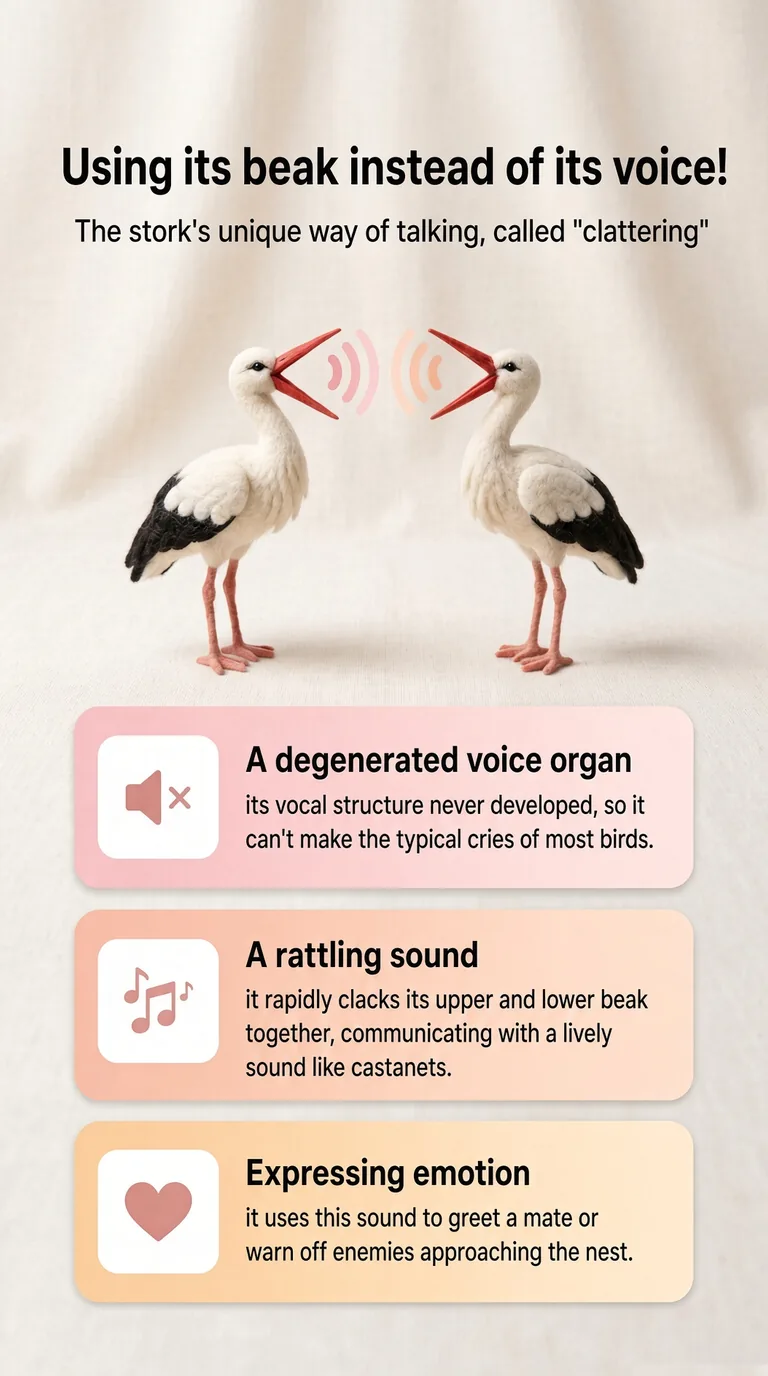
- A degenerated voice organ — its vocal structure never developed, so it can't make the typical cries of most birds.
- A rattling sound — it rapidly clacks its upper and lower beak together, communicating with a lively sound like castanets.
- Expressing emotion — it uses this sound to greet a mate or warn off enemies approaching the nest.
What does it eat?
A skilled ecosystem hunter of rice paddies and wetlands
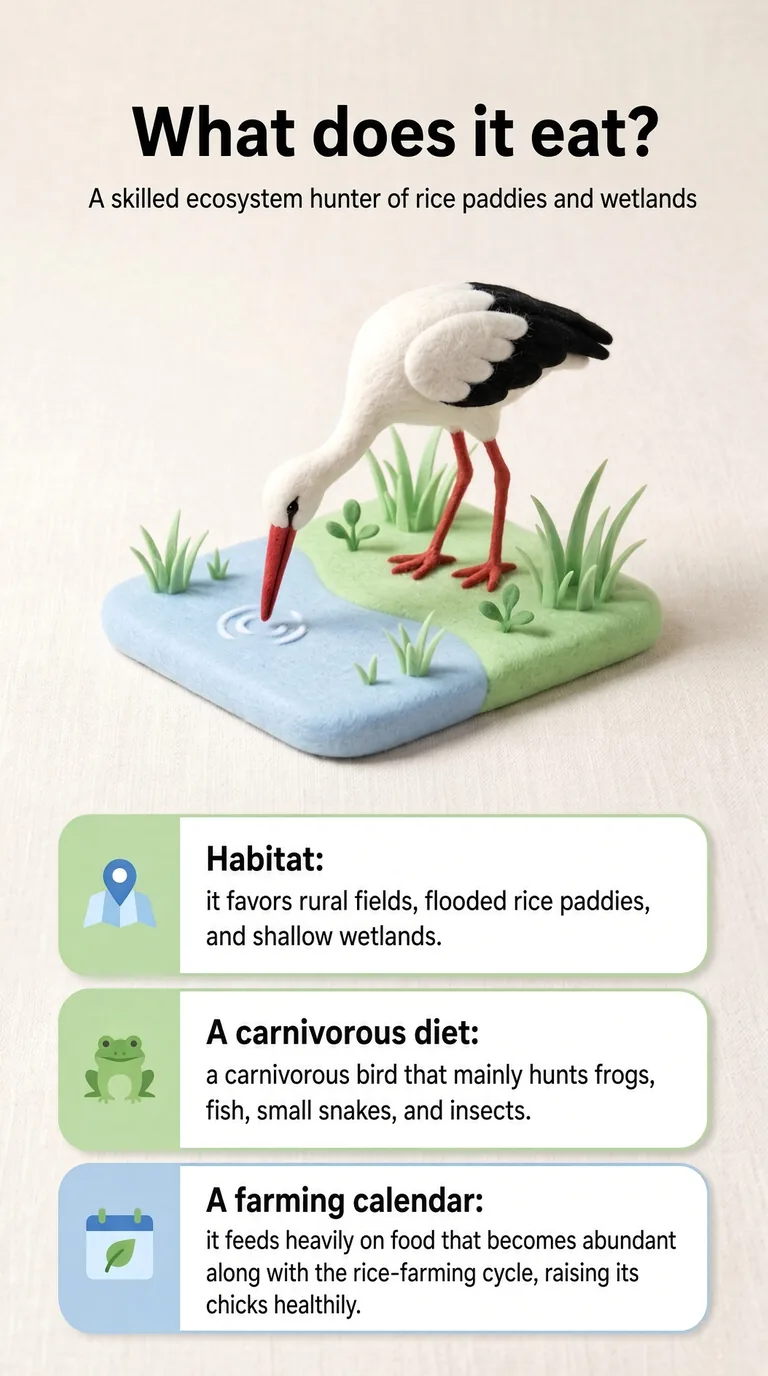
- Habitat — it favors rural fields, flooded rice paddies, and shallow wetlands.
- A carnivorous diet — a carnivorous bird that mainly hunts frogs, fish, small snakes, and insects.
- A farming calendar — it feeds heavily on food that becomes abundant along with the rice-farming cycle, raising its chicks healthily.
A giant home in the sky
The stork's remarkable nest, passed down through generations
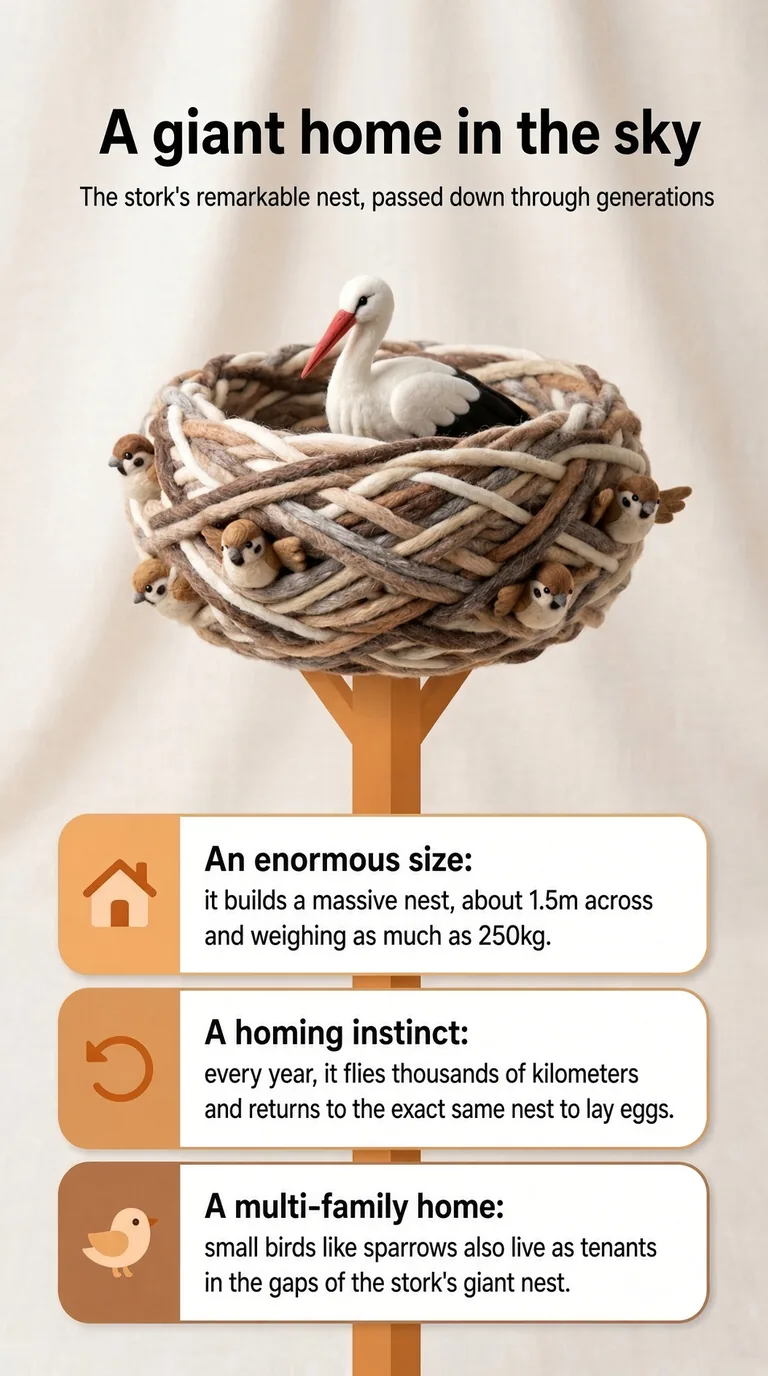
- An enormous size — it builds a massive nest, about 1.5m across and weighing as much as 250kg.
- A homing instinct — every year, it flies thousands of kilometers and returns to the exact same nest to lay eggs.
- A multi-family home — small birds like sparrows also live as tenants in the gaps of the stork's giant nest.