Reindeer
Europe
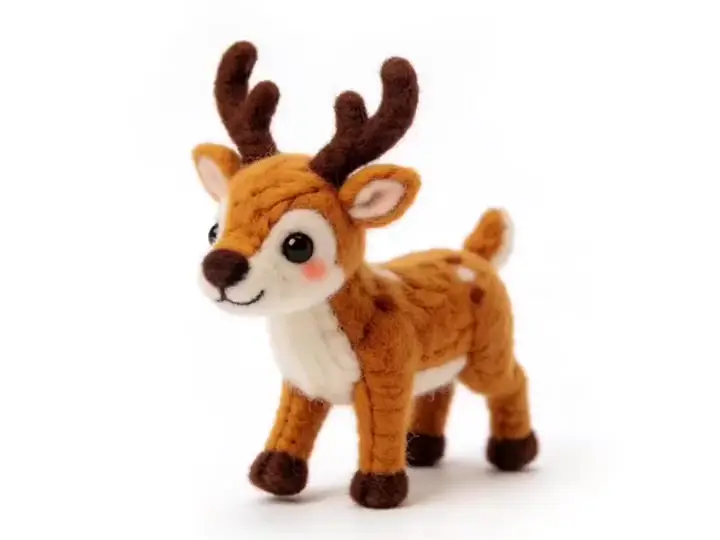
The reindeer is a deer that lives in the cold lands of northern Europe and Siberia. It's the only deer where both males and females have antlers. It's famous for traveling long distances in big herds to find food.
Quick facts
- Habitat
- It lives on the tundra of northern Europe and Siberia.
- Diet
- It eats lichen, grass, leaves, and mushrooms.
- Size and weight
- Height 85–150cm, weight 60–300kg.
- Lifespan
- 15–18 years
- Conservation status
- Vulnerable
- Fun facts
- It can see ultraviolet light, which helps it find food in the snow!
The shape of its hooves changes with the seasons.
Learn more
The perfect survival machine that conquered a -40°C Arctic
Not just a Christmas sidekick — the amazing evolutionary secrets of the reindeer's body
- A creature perfectly evolved to survive the Arctic's brutal climate and darkness.
- From UV-sensing eyes to shape-shifting hooves, we dissect the astonishing abilities science has uncovered.
- The story of a great survival expert that leads the tundra ecosystem and has sustained Indigenous ways of life.
Reindeer vs. caribou
Only the name and location differ — they're the exact same animal
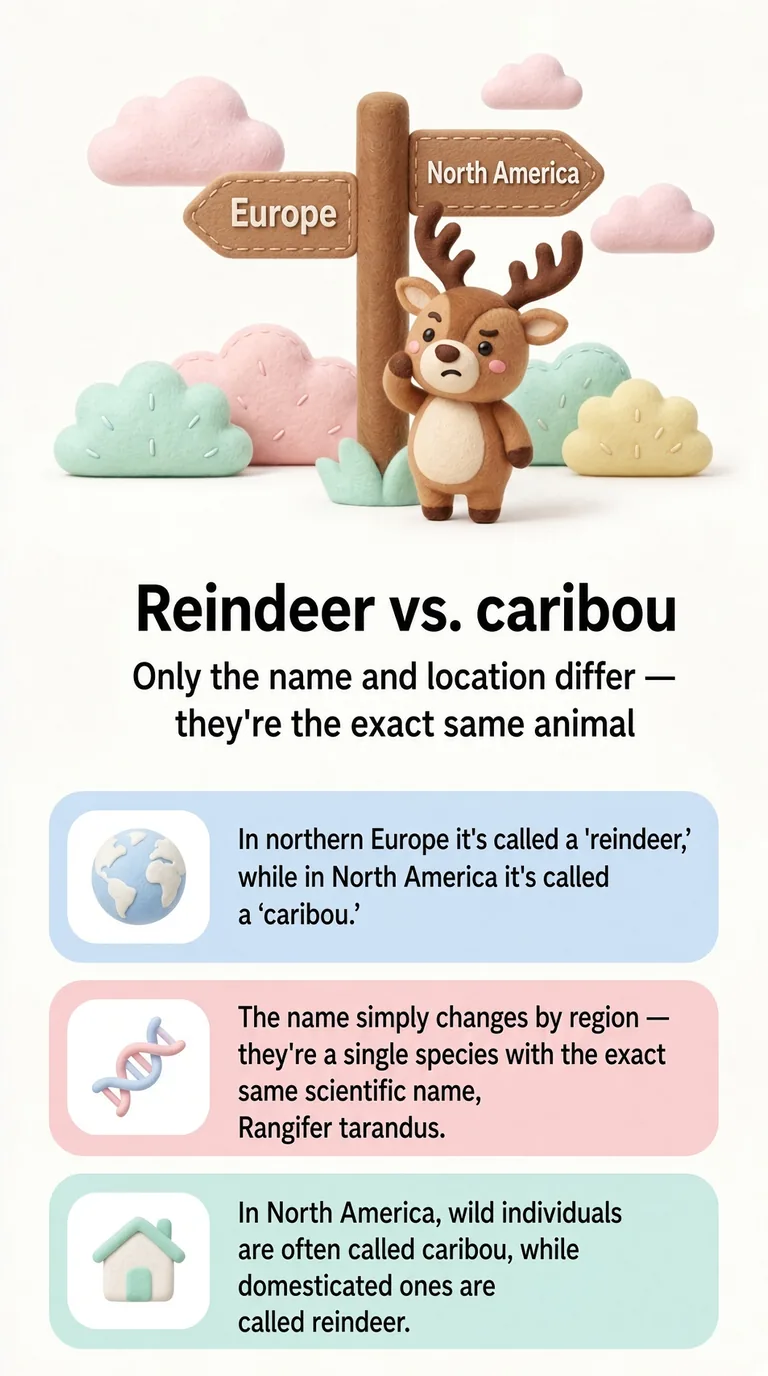
North America, Europe
- In northern Europe it's called a "reindeer," while in North America it's called a "caribou."
- The name simply changes by region — they're a single species with the exact same scientific name, Rangifer tarandus.
- In North America, wild individuals are often called caribou, while domesticated ones are called reindeer.
A natural UV camera built into the snowfield
The only mammal whose eye reflector shifts to blue with the seasons
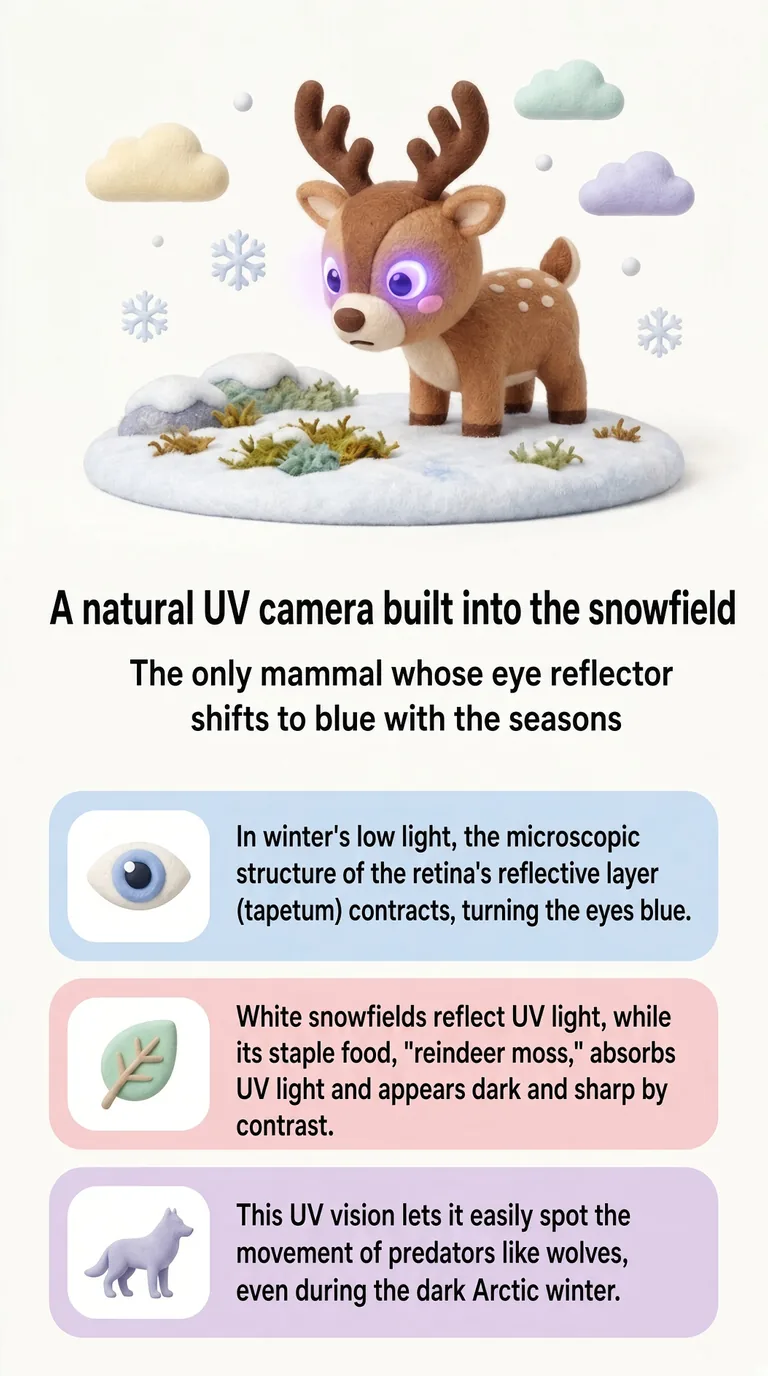
- In winter's low light, the microscopic structure of the retina's reflective layer (tapetum) contracts, turning the eyes blue.
- White snowfields reflect UV light, while its staple food, "reindeer moss," absorbs UV light and appears dark and sharp by contrast.
- This UV vision lets it easily spot the movement of predators like wolves, even during the dark Arctic winter.
A red nose, a natural climate-control system protecting the brain
The real reason Rudolph's nose is red: remarkable temperature regulation
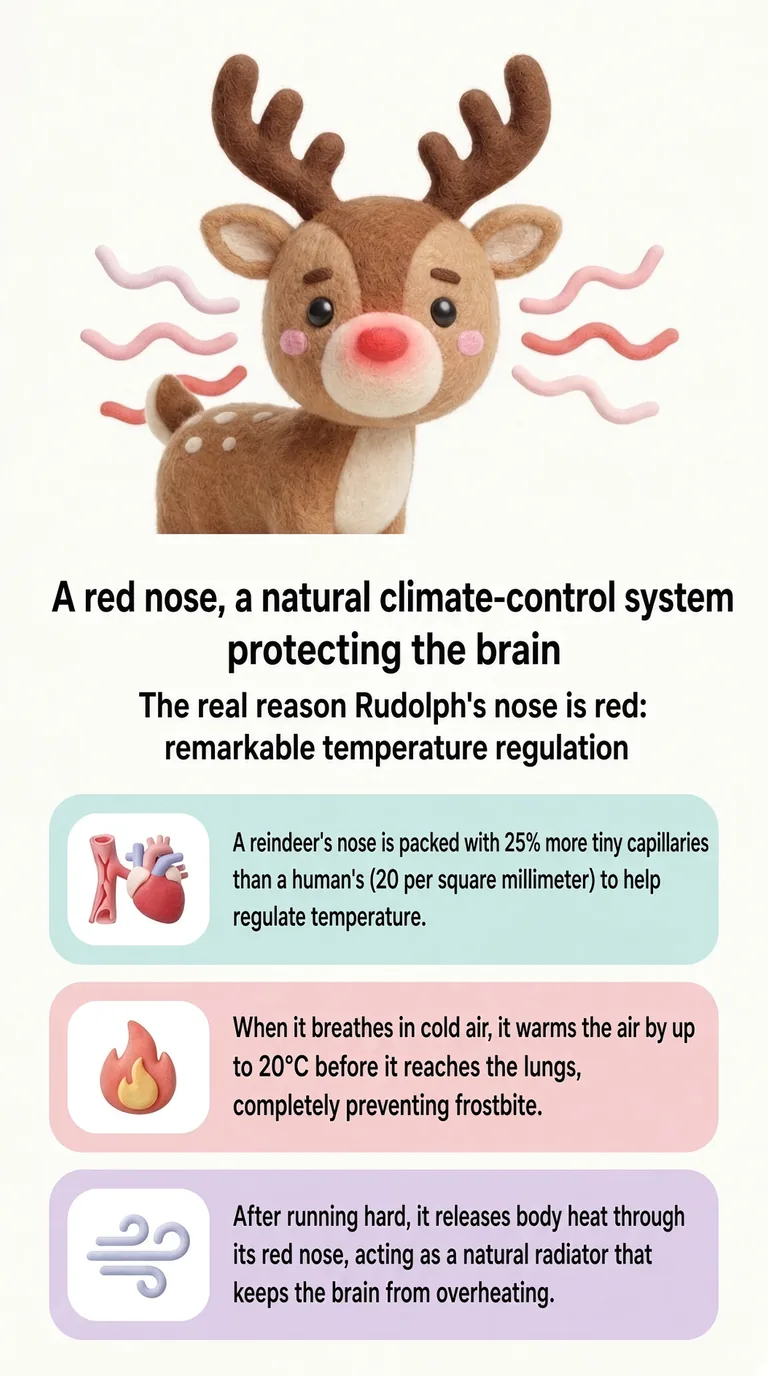
- A reindeer's nose is packed with 25% more tiny capillaries than a human's (20 per square millimeter) to help regulate temperature.
- When it breathes in cold air, it warms the air by up to 20°C before it reaches the lungs, completely preventing frostbite.
- After running hard, it releases body heat through its red nose, acting as a natural radiator that keeps the brain from overheating.
Females whose splendid antlers make them tougher than males
The only deer species among over 45 in which both males and females grow antlers
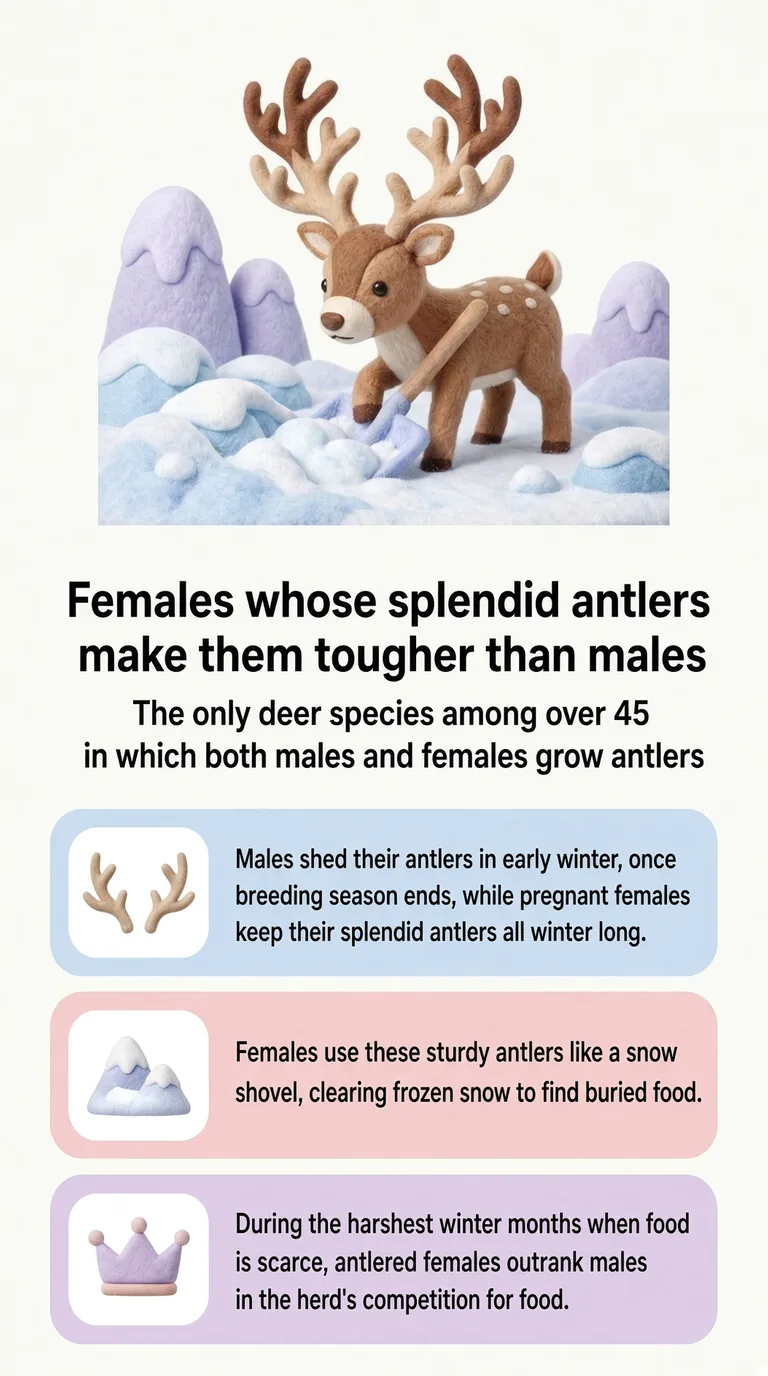
- Males shed their antlers in early winter, once breeding season ends, while pregnant females keep their splendid antlers all winter long.
- Females use these sturdy antlers like a snow shovel, clearing frozen snow to find buried food.
- During the harshest winter months when food is scarce, antlered females outrank males in the herd's competition for food.
Season-adjusted transformer magic boots
The evolutionary magic of hooves that change shape with terrain and temperature
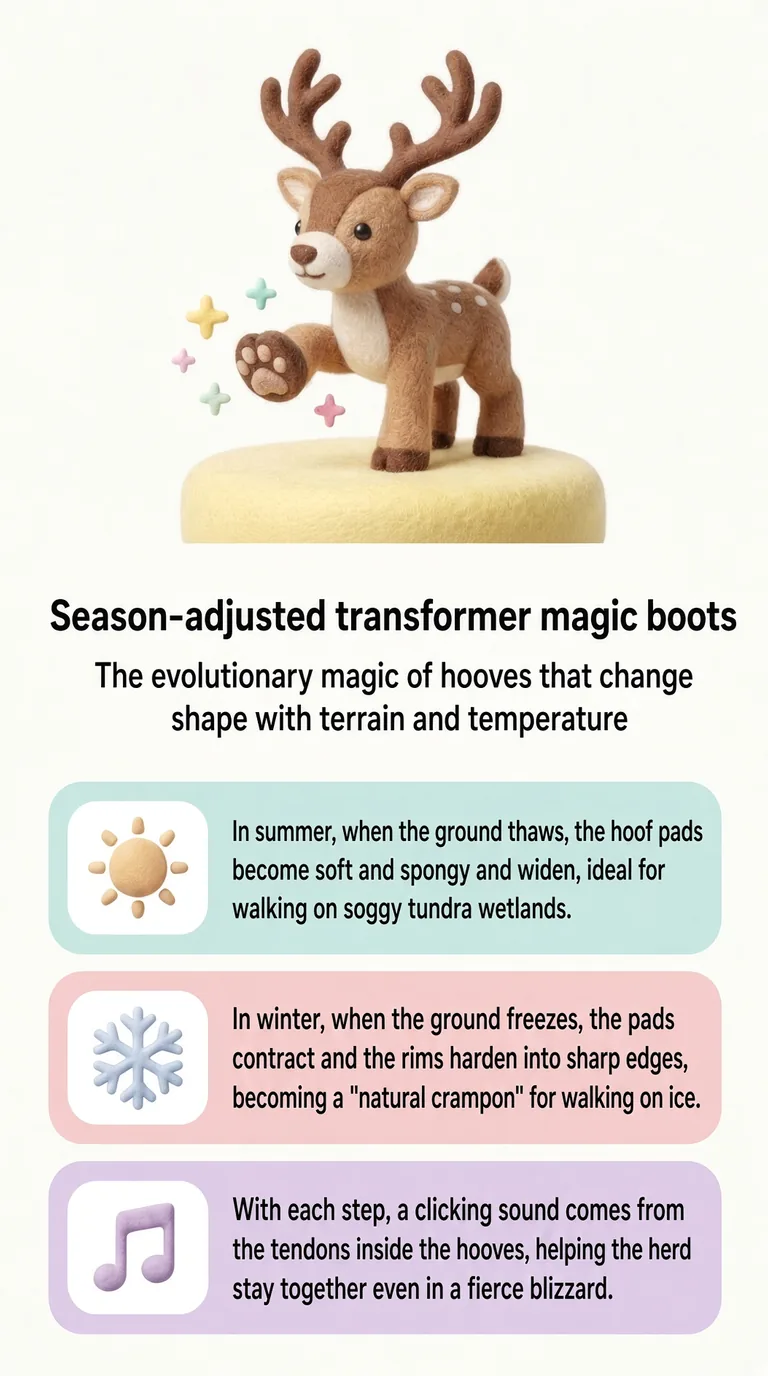
- In summer, when the ground thaws, the hoof pads become soft and spongy and widen, ideal for walking on soggy tundra wetlands.
- In winter, when the ground freezes, the pads contract and the rims harden into sharp edges, becoming a "natural crampon" for walking on ice.
- With each step, a clicking sound comes from the tendons inside the hooves, helping the herd stay together even in a fierce blizzard.
A perfect natural wetsuit that floats on water
The secret of hollow fur that blocks snowstorms and swims well
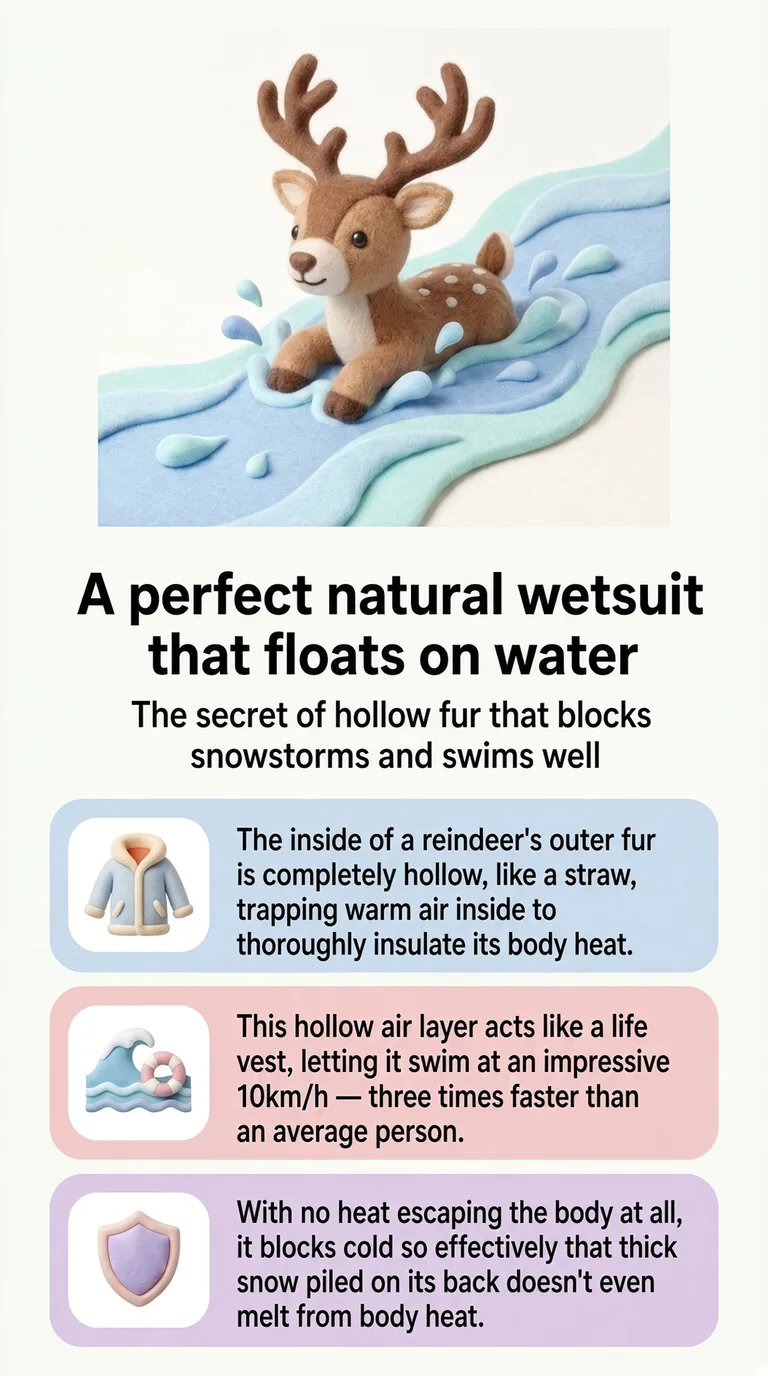
- The inside of a reindeer's outer fur is completely hollow, like a straw, trapping warm air inside to thoroughly insulate its body heat.
- This hollow air layer acts like a life vest, letting it swim at an impressive 10km/h — three times faster than an average person.
- With no heat escaping the body at all, it blocks cold so effectively that thick snow piled on its back doesn't even melt from body heat.
"Cratering" to find food buried 60cm deep in snow
A nutrient-rich lichen diet that fuels it in extreme conditions
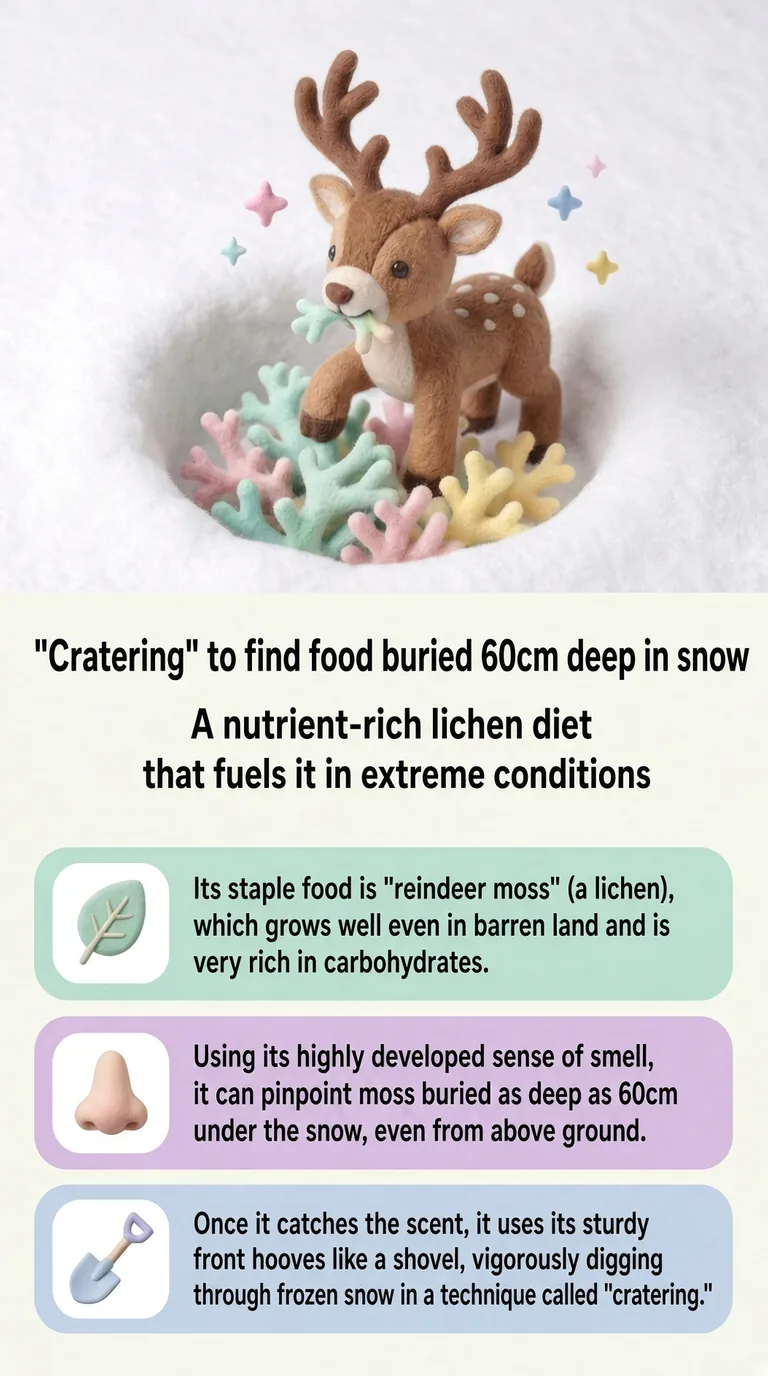
- Its staple food is "reindeer moss" (a lichen), which grows well even in barren land and is very rich in carbohydrates.
- Using its highly developed sense of smell, it can pinpoint moss buried as deep as 60cm under the snow, even from above ground.
- Once it catches the scent, it uses its sturdy front hooves like a shovel, vigorously digging through frozen snow in a technique called "cratering."