Blue Whale
Ocean
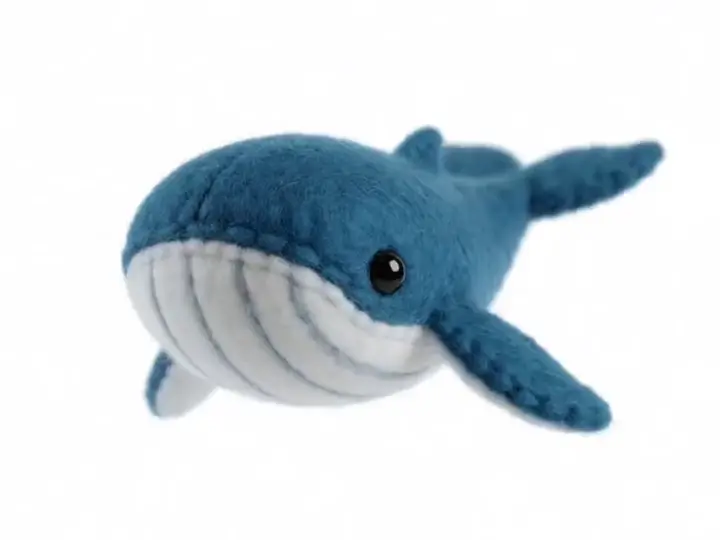
The blue whale is the largest animal that has ever lived on Earth. It grows as long as 30m and weighs as much as 200 tons. Its heart is the size of a car, and its tongue is heavier than an elephant!
Quick facts
- Habitat
- It lives in every ocean in the world.
- Diet
- It eats 4 tons of krill every day.
- Size and weight
- Length 24–30m, weight 150–200 tons.
- Lifespan
- About 80–90 years
- Conservation status
- Endangered
- Fun facts
- Its call reaches 188 decibels, louder than a jet engine!
It sings to talk with friends thousands of km away.
Learn more
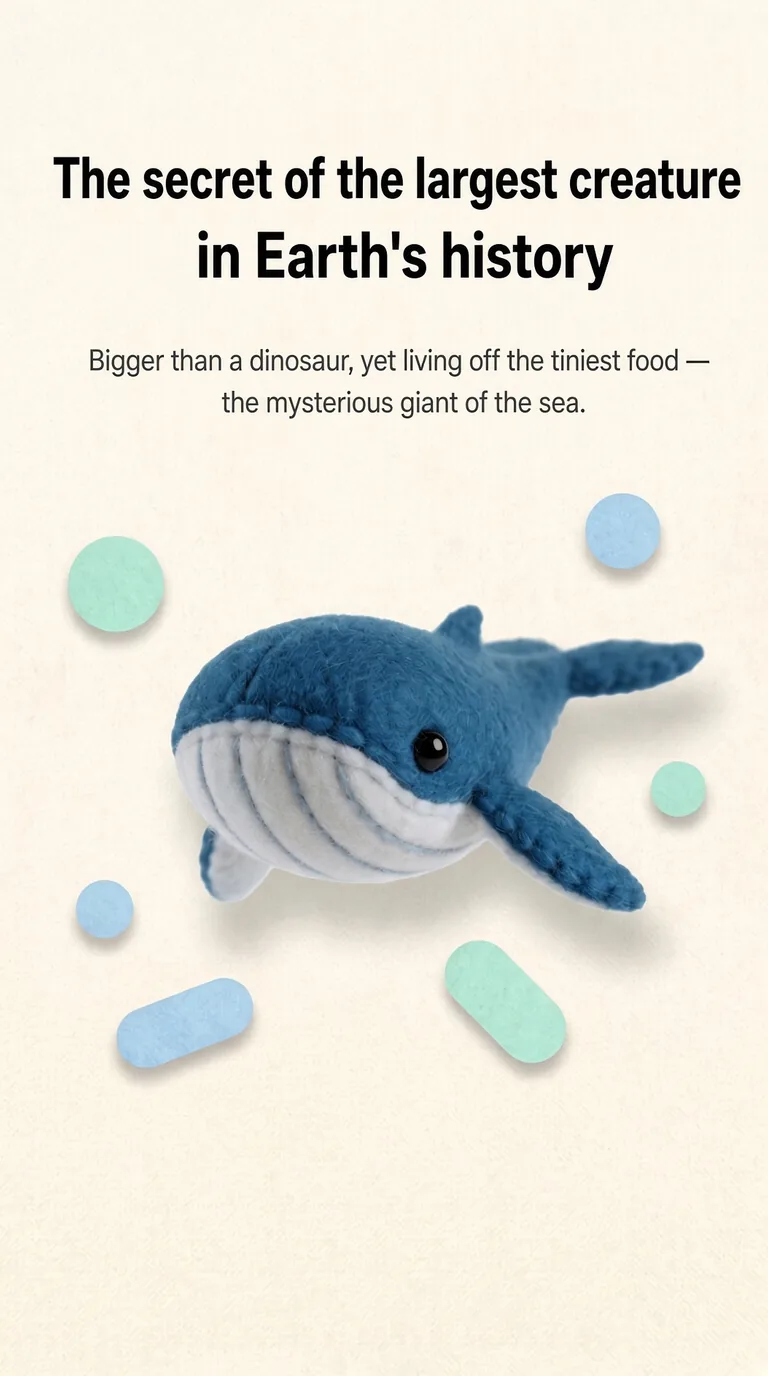
The secret of the largest creature in Earth's history
Bigger than a dinosaur, yet living off the tiniest food — the mysterious giant of the sea.
An overwhelming size beyond imagination
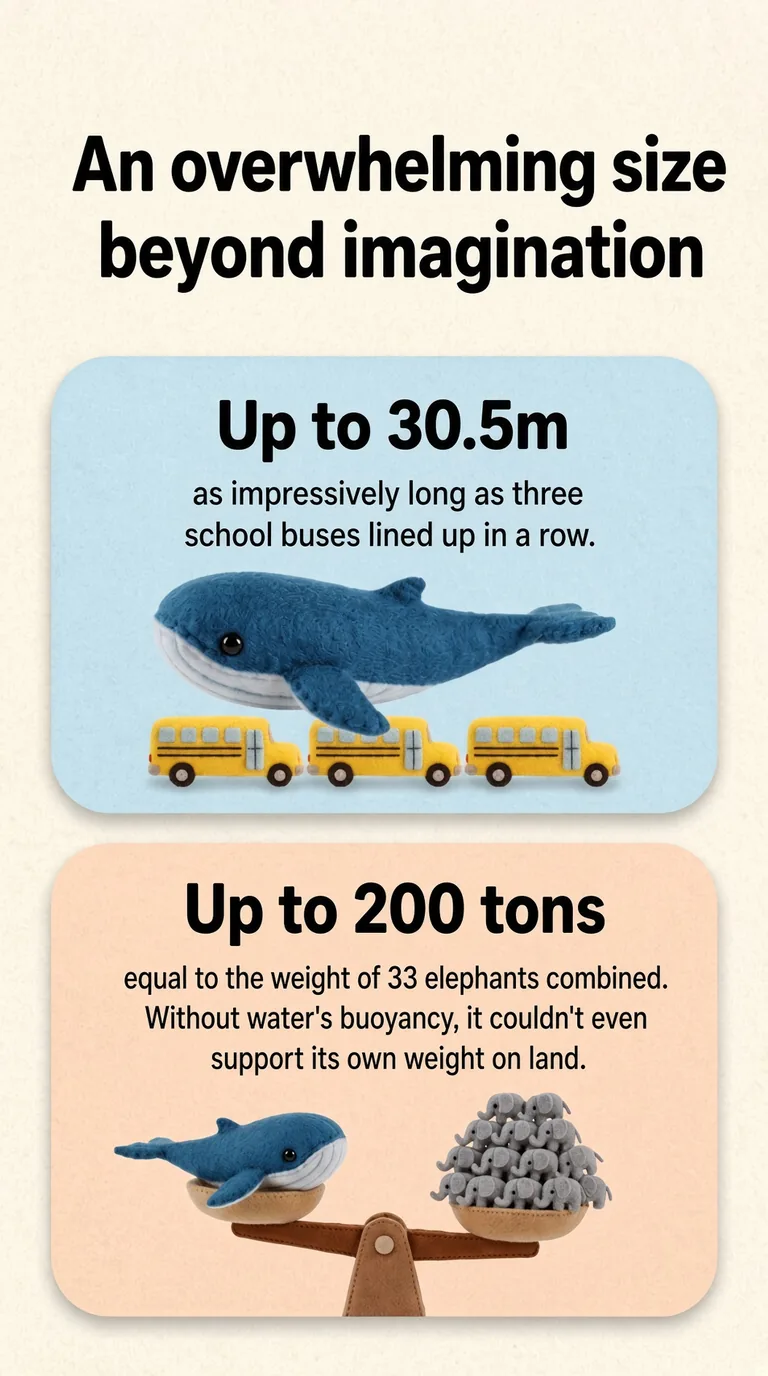
- Up to 30.5m — as impressively long as three school buses lined up in a row.
- Up to 200 tons — equal to the weight of 33 elephants combined. Without water's buoyancy, it couldn't even support its own weight on land.
A powerful engine driving a giant
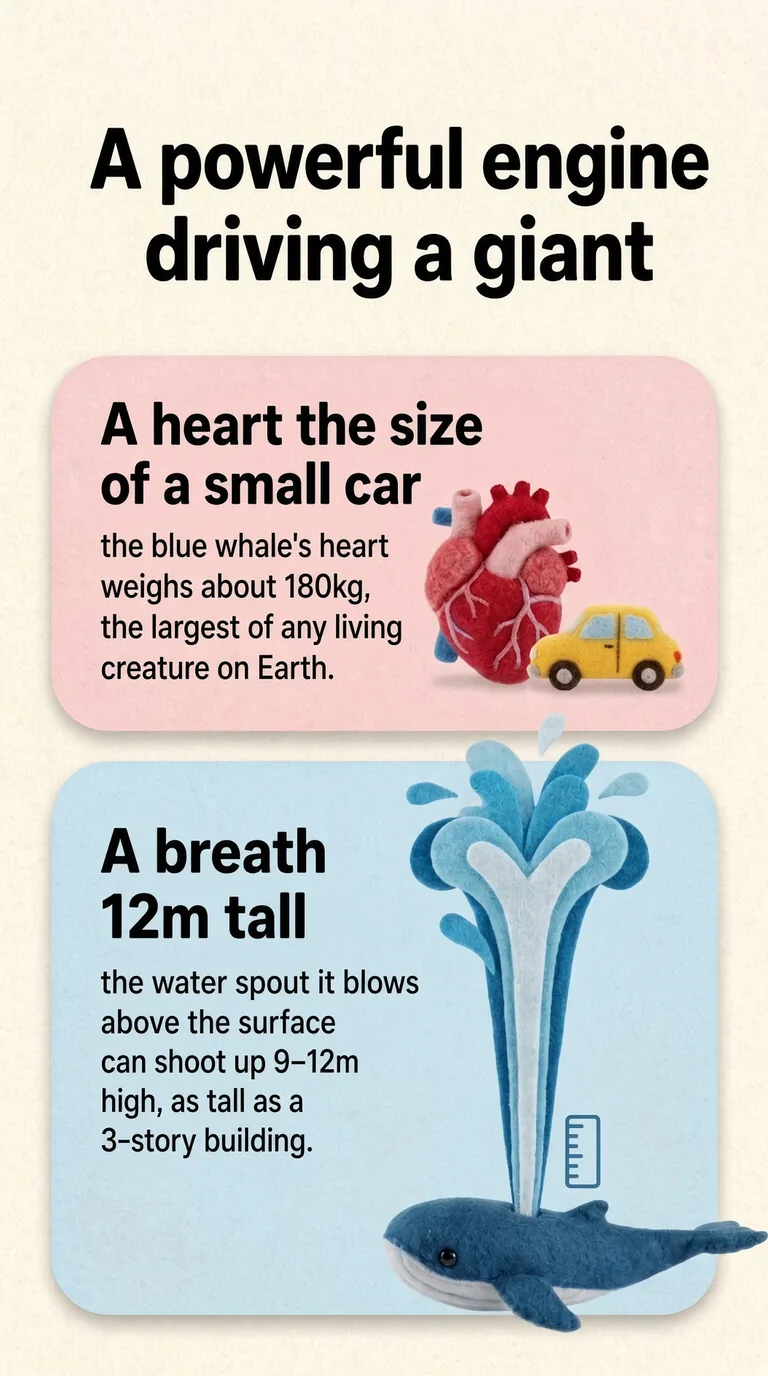
- A heart the size of a small car — the blue whale's heart weighs about 180kg, the largest of any living creature on Earth.
- A breath 12m tall — the water spout it blows above the surface can shoot up 9–12m high, as tall as a 3-story building.
A giant's meal: how the biggest animal eats the smallest food
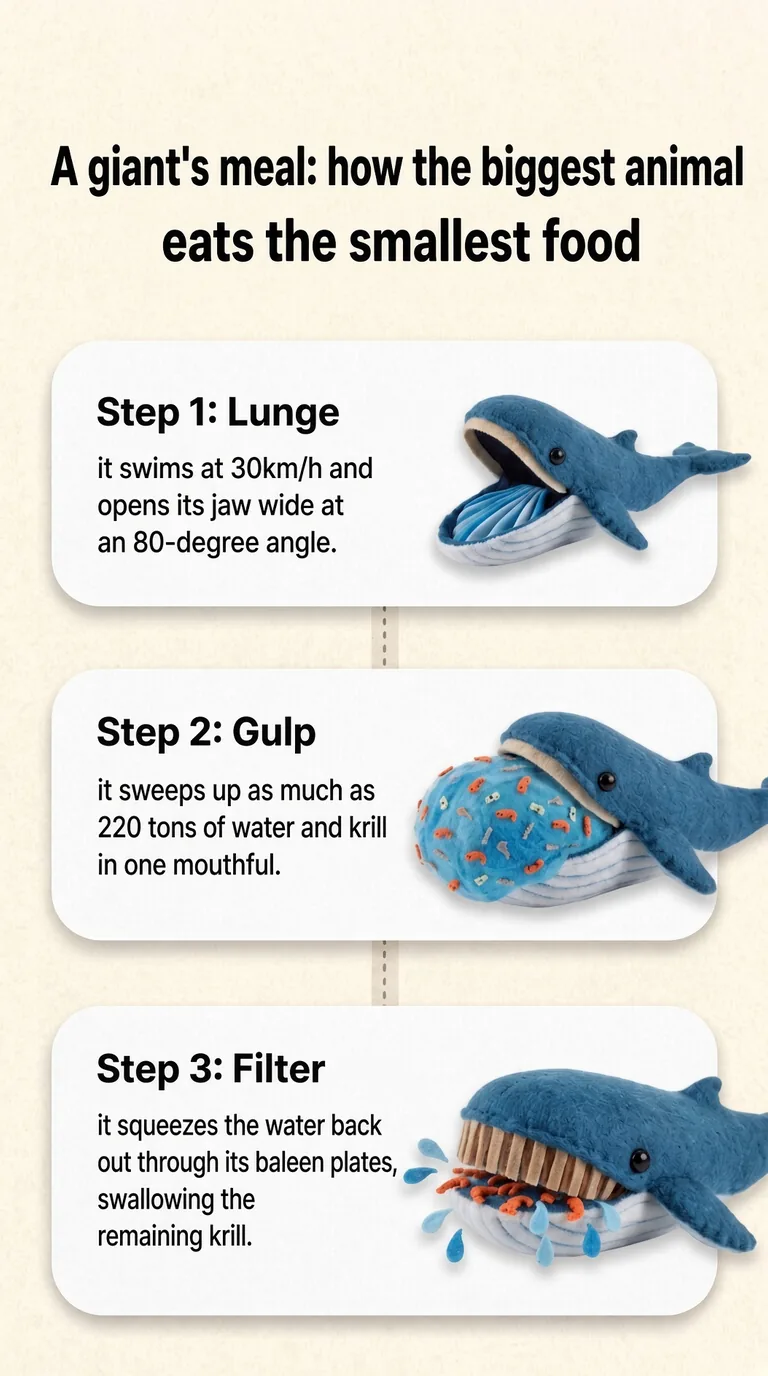
- Step 1 — Lunge: it swims at 30km/h and opens its jaw wide at an 80-degree angle.
- Step 2 — Gulp: it sweeps up as much as 220 tons of water and krill in one mouthful.
- Step 3 — Filter: it squeezes the water back out through its baleen plates, swallowing the remaining krill.
The deepest, lowest voice, with no air wasted
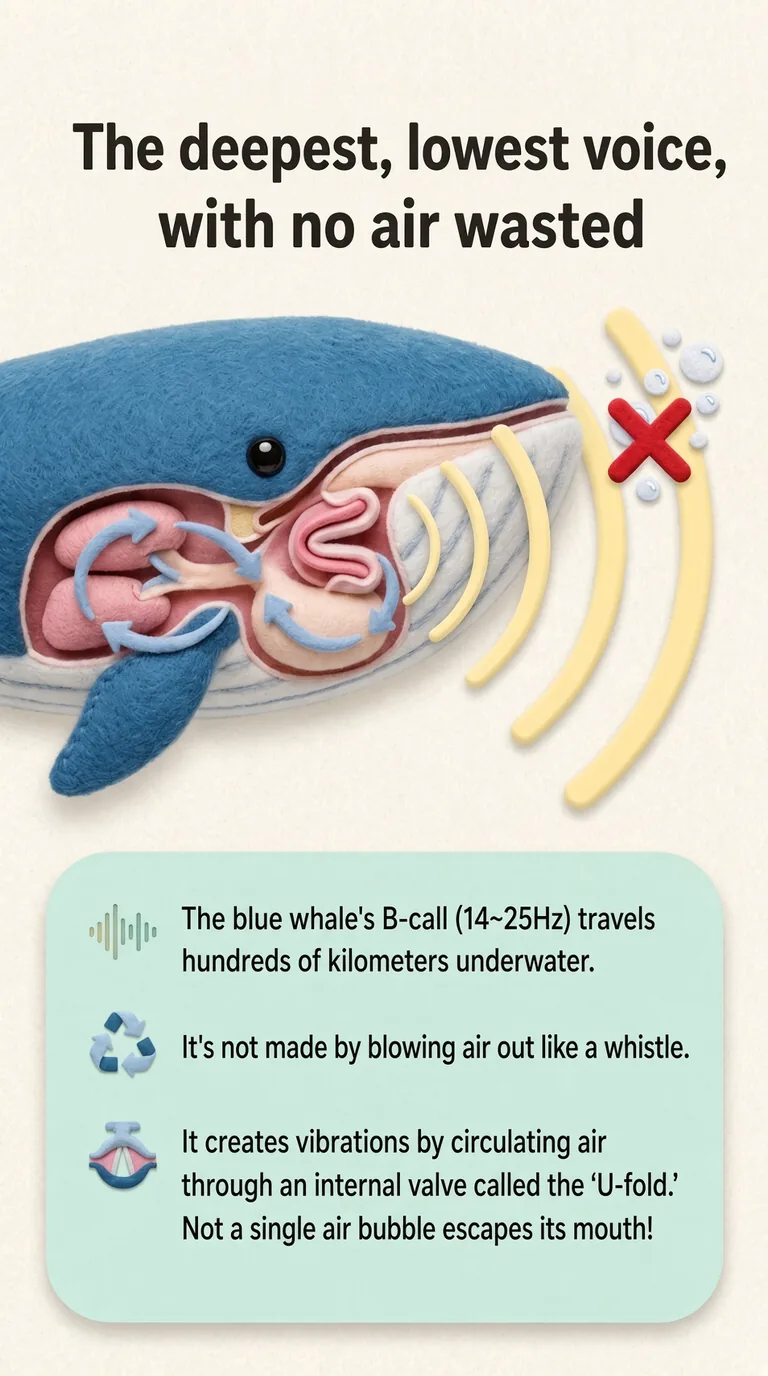
- The blue whale's B-call (14–25Hz) travels hundreds of kilometers underwater.
- It's not made by blowing air out like a whistle.
- It creates vibrations by circulating air through an internal valve called the 'U-fold.' Not a single air bubble escapes its mouth!
The blue whale's ecological dashboard
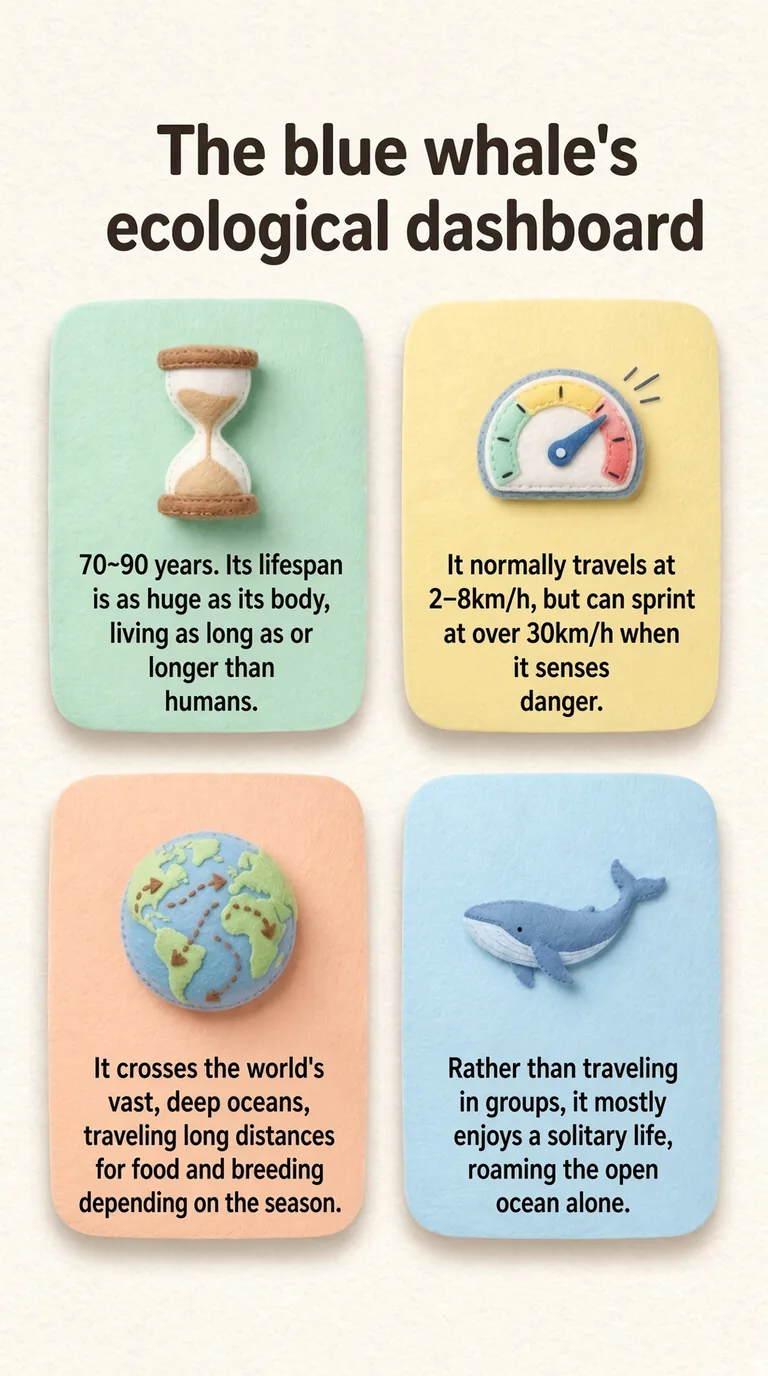
- 70–90 years. Its lifespan is as huge as its body, living as long as or longer than humans.
- It normally travels at 2–8km/h, but can sprint at over 30km/h when it senses danger.
- It crosses the world's vast, deep oceans, traveling long distances for food and breeding depending on the season.
- Rather than traveling in groups, it mostly enjoys a solitary life, roaming the open ocean alone.