African Elephant
Africa
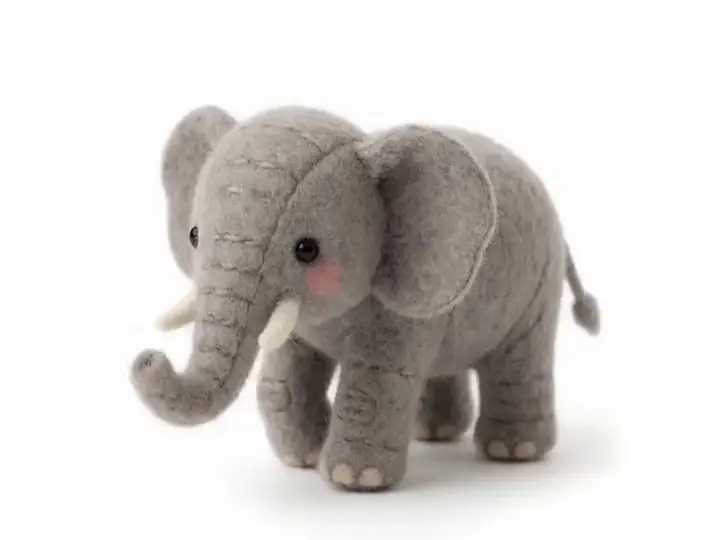
The African elephant is the largest land animal on Earth. It's very smart and uses its long, strong trunk to drink water, pick up food, and even use tools. Elephant families share close bonds, and they can feel sadness, too.
Quick facts
- Habitat
- It lives in savannas, forests, and along the edges of deserts.
- Diet
- It eats 150kg of grass, leaves, and bark every day.
- Size and weight
- Height 3–4m, weight 4,000–6,000kg.
- Lifespan
- 60–70 years
- Conservation status
- Endangered
- Fun facts
- An elephant can remember the face of a friend it met 30 years ago!
It feels vibrations in the ground through its feet to hear faraway sounds.
Learn more
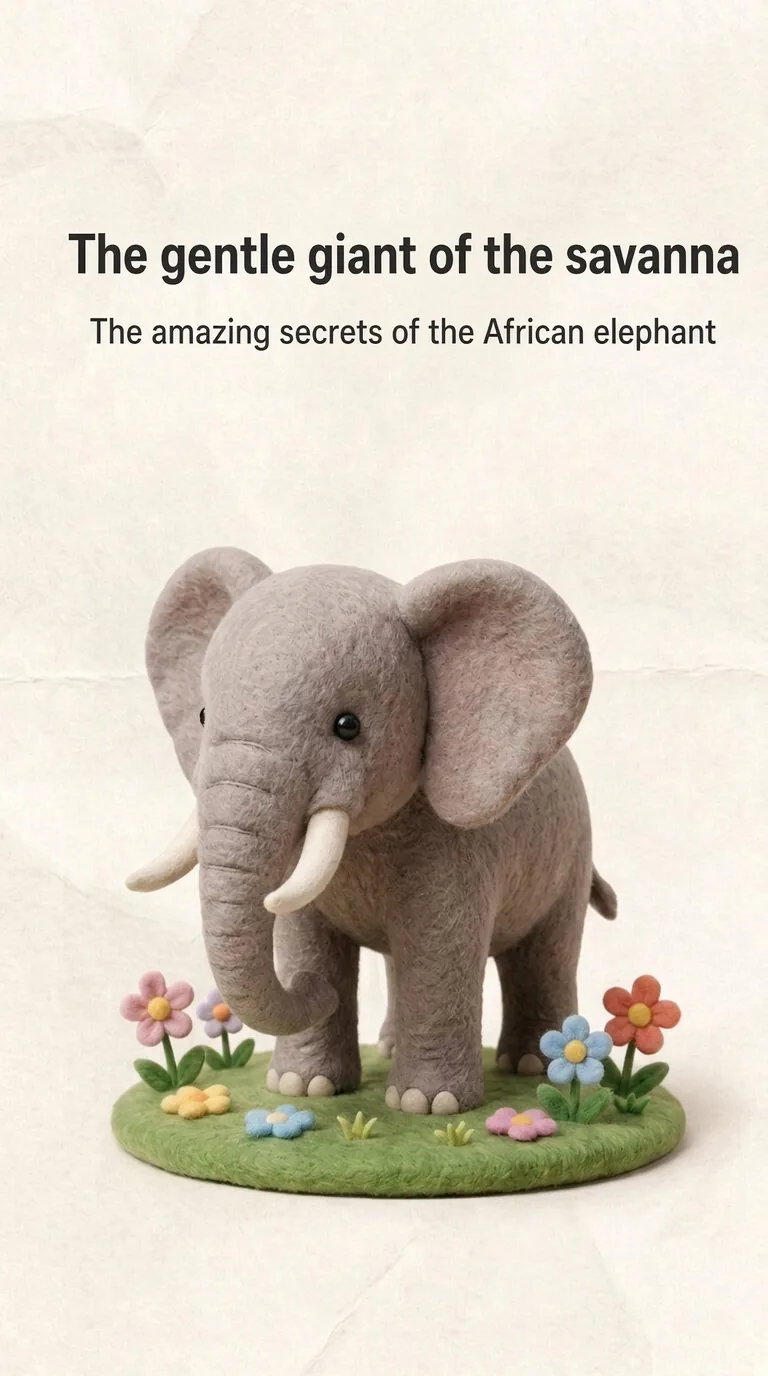
The gentle giant of the savanna
The amazing secrets of the African elephant
The largest land animal on Earth
Overwhelming size, gentle temperament
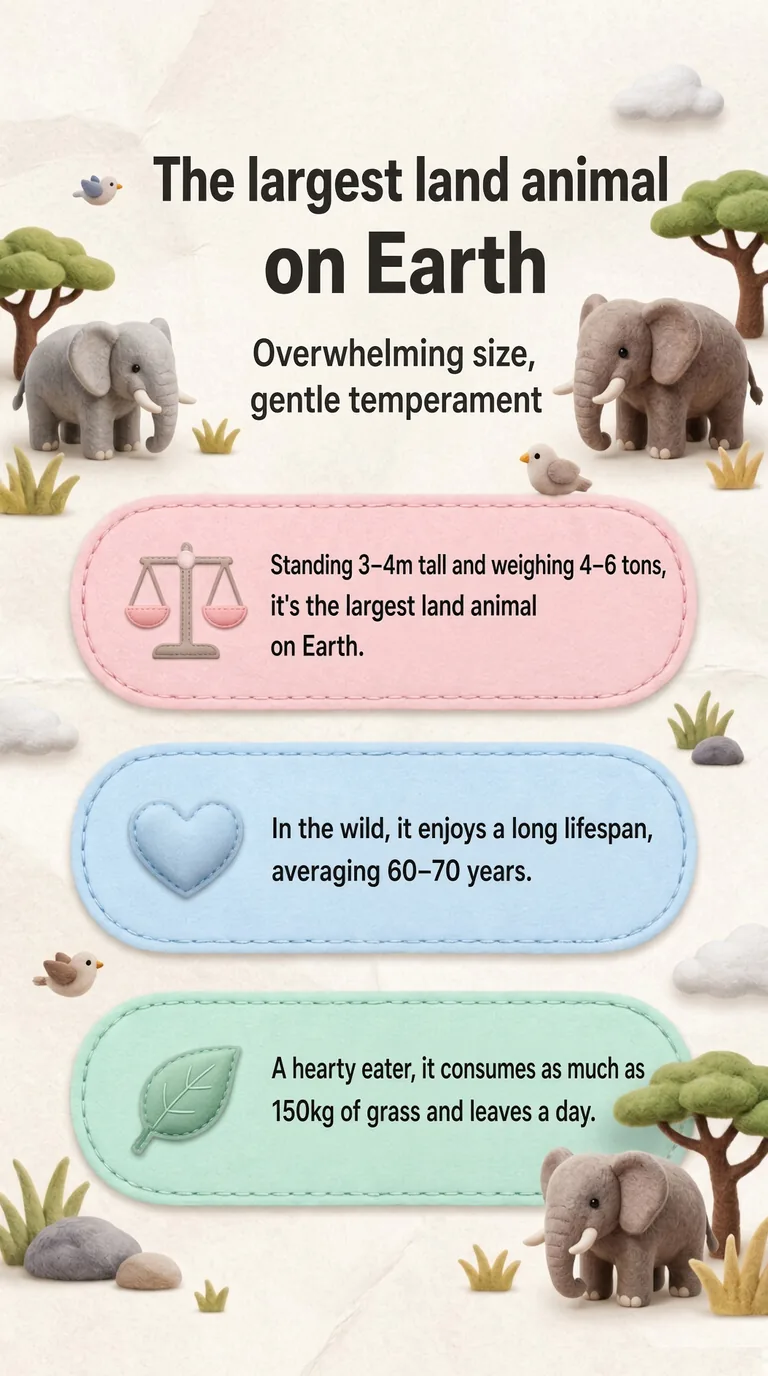
- Standing 3–4m tall and weighing 4–6 tons, it's the largest land animal on Earth.
- In the wild, it enjoys a long lifespan, averaging 60–70 years.
- A hearty eater, it consumes as much as 150kg of grass and leaves a day.
An all-purpose tool made of 40,000 muscles
An elephant's trunk is far more than just a breathing organ
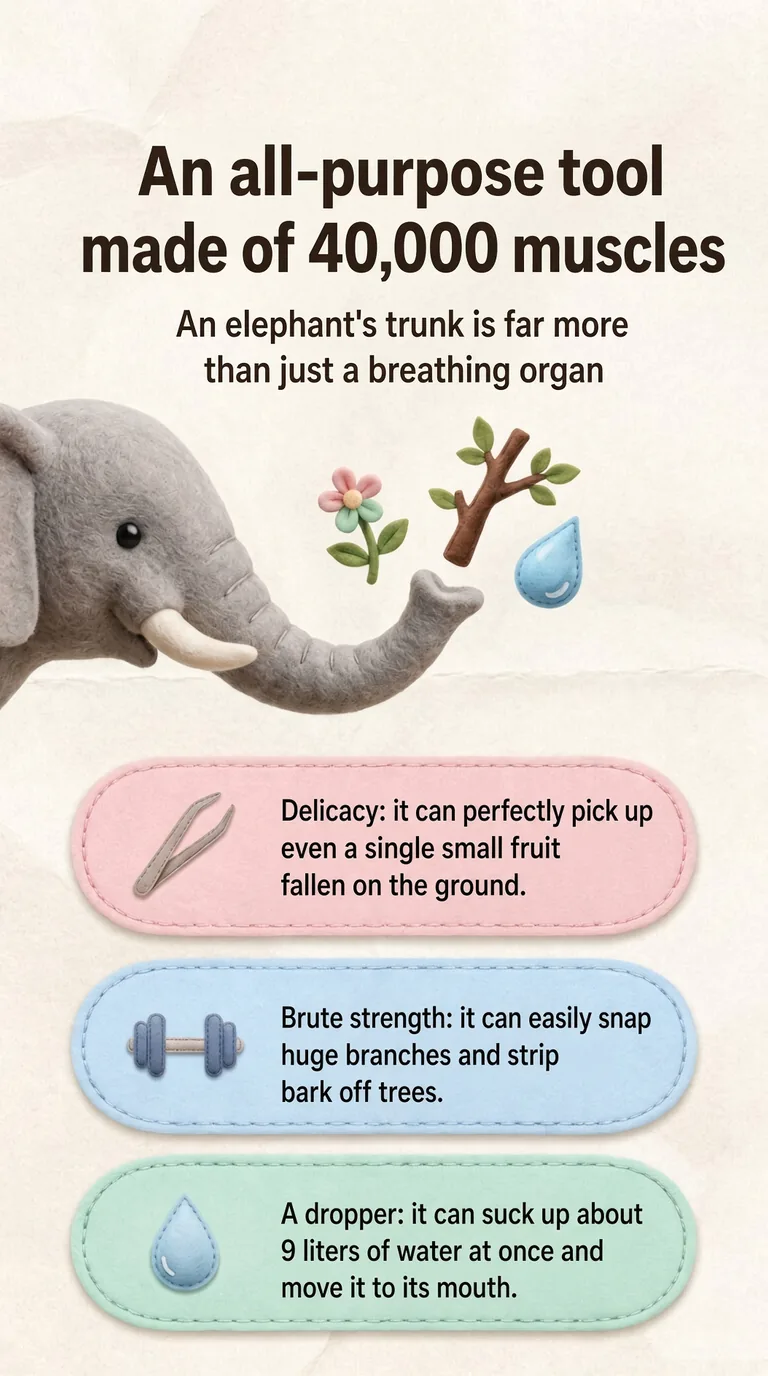
- Delicacy — it can perfectly pick up even a single small fruit fallen on the ground.
- Brute strength — it can easily snap huge branches and strip bark off trees.
- A dropper — it can suck up about 9 liters of water at once and move it to its mouth.
A genius that remembers a well 600km away
A perfect spatial and social memory for survival
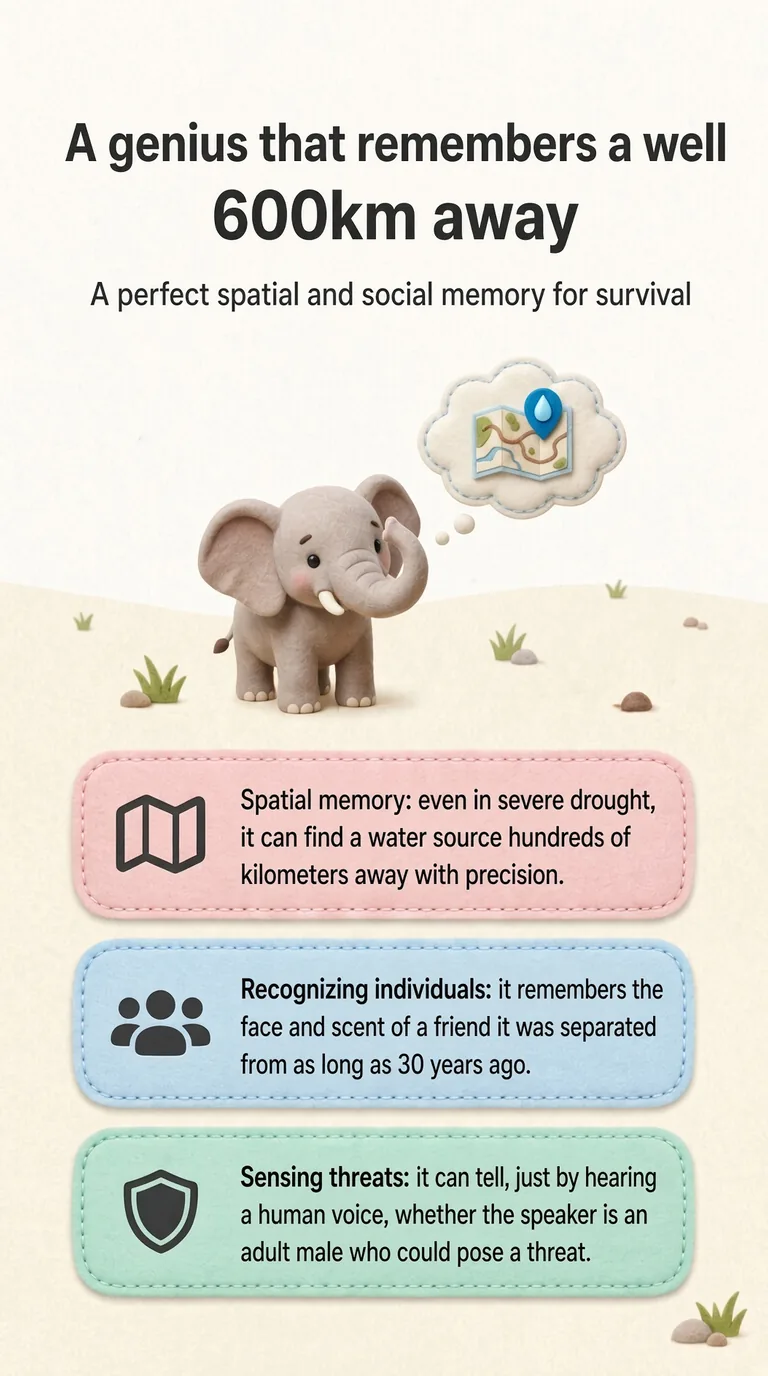
- Spatial memory — even in severe drought, it can find a water source hundreds of kilometers away with precision.
- Recognizing individuals — it remembers the face and scent of a friend it was separated from as long as 30 years ago.
- Sensing threats — it can tell, just by hearing a human voice, whether the speaker is an adult male who could pose a threat.
A 'woman power' society led by grandmothers
Rank in the herd is decided by wisdom, not strength
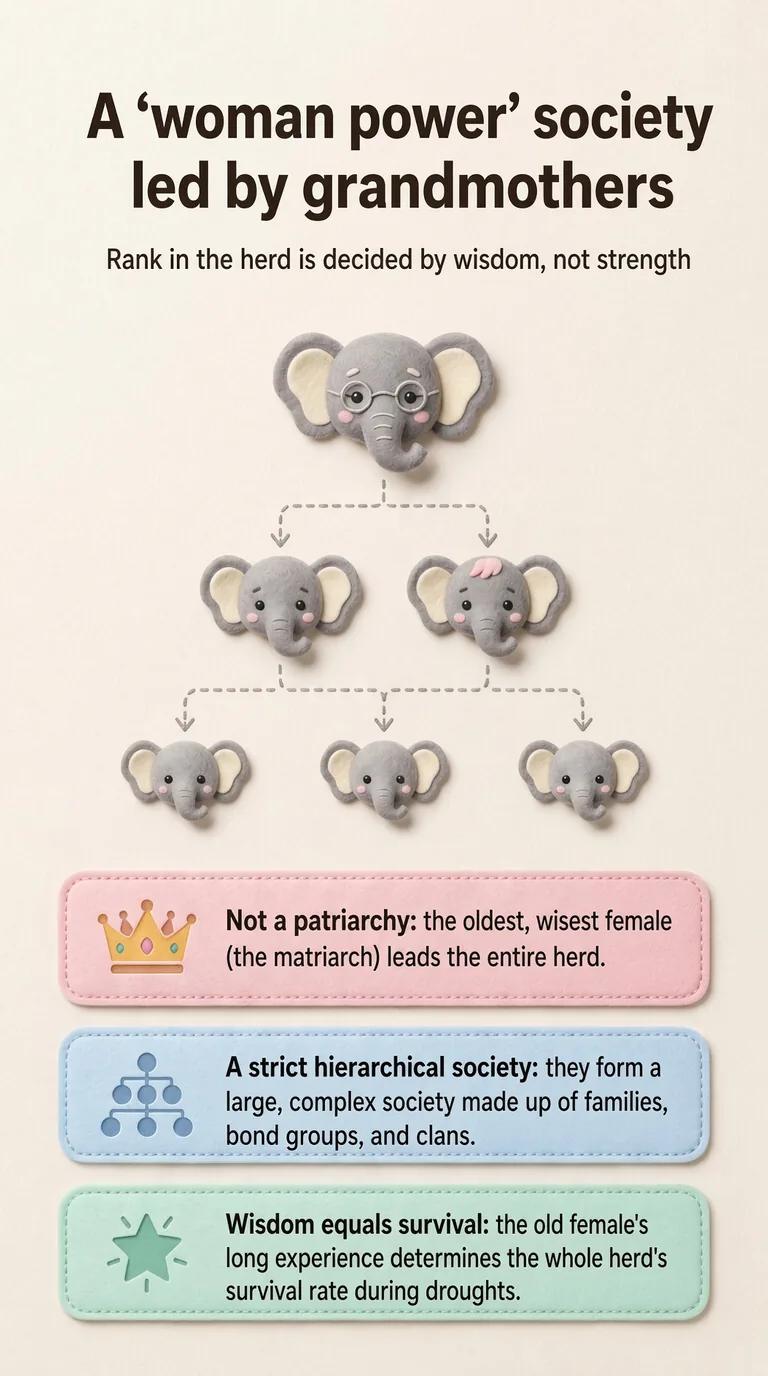
- Not a patriarchy — the oldest, wisest female (the matriarch) leads the entire herd.
- A strict hierarchical society — they form a large, complex society made up of families, bond groups, and clans.
- Wisdom equals survival — the old female's long experience determines the whole herd's survival rate during droughts.
A heart that shares grief and offers comfort
A special empathy for other creatures' suffering
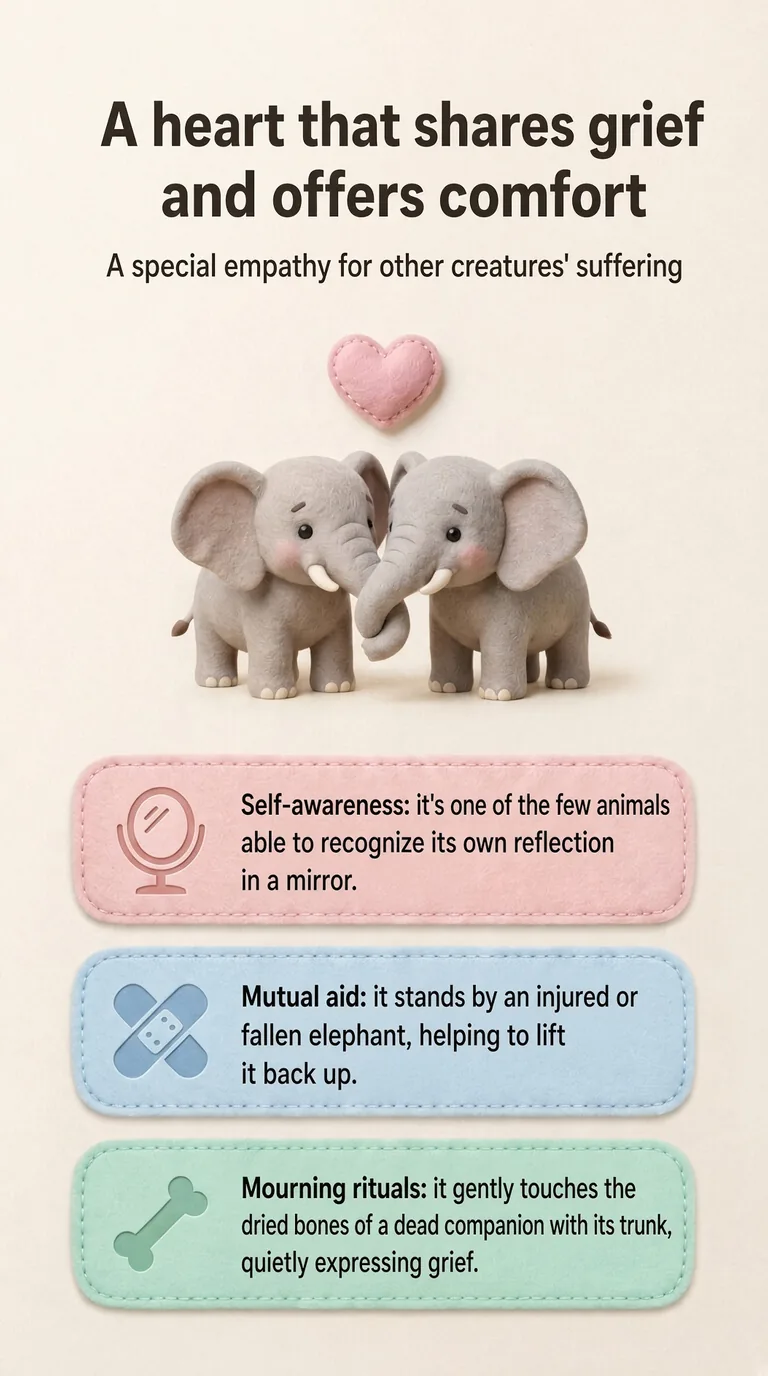
- Self-awareness — it's one of the few animals able to recognize its own reflection in a mirror.
- Mutual aid — it stands by an injured or fallen elephant, helping to lift it back up.
- Mourning rituals — it gently touches the dried bones of a dead companion with its trunk, quietly expressing grief.
The great gardener of the savanna
Life grows wherever the elephant walks
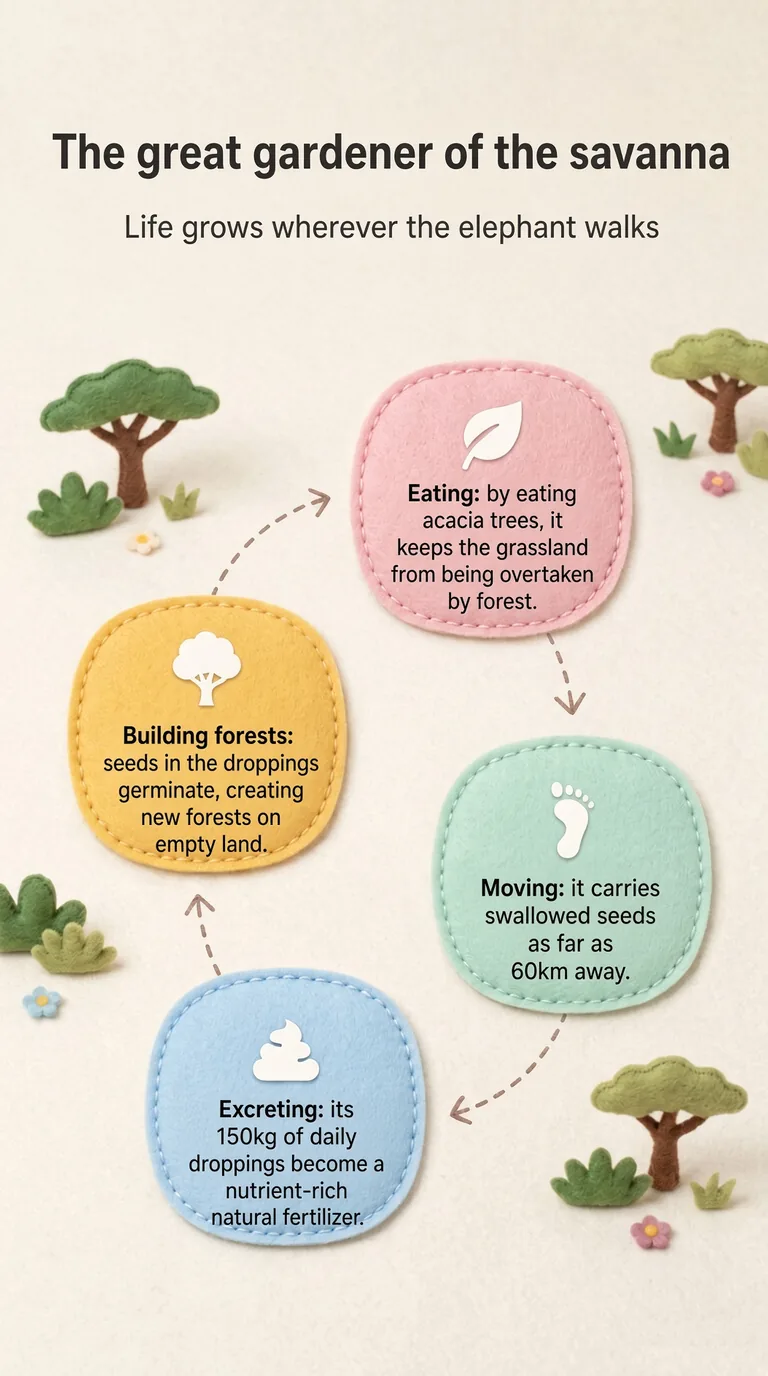
- Eating — by eating acacia trees, it keeps the grassland from being overtaken by forest.
- Moving — it carries swallowed seeds as far as 60km away.
- Excreting — its 150kg of daily droppings become a nutrient-rich natural fertilizer.
- Building forests — seeds in the droppings germinate, creating new forests on empty land.
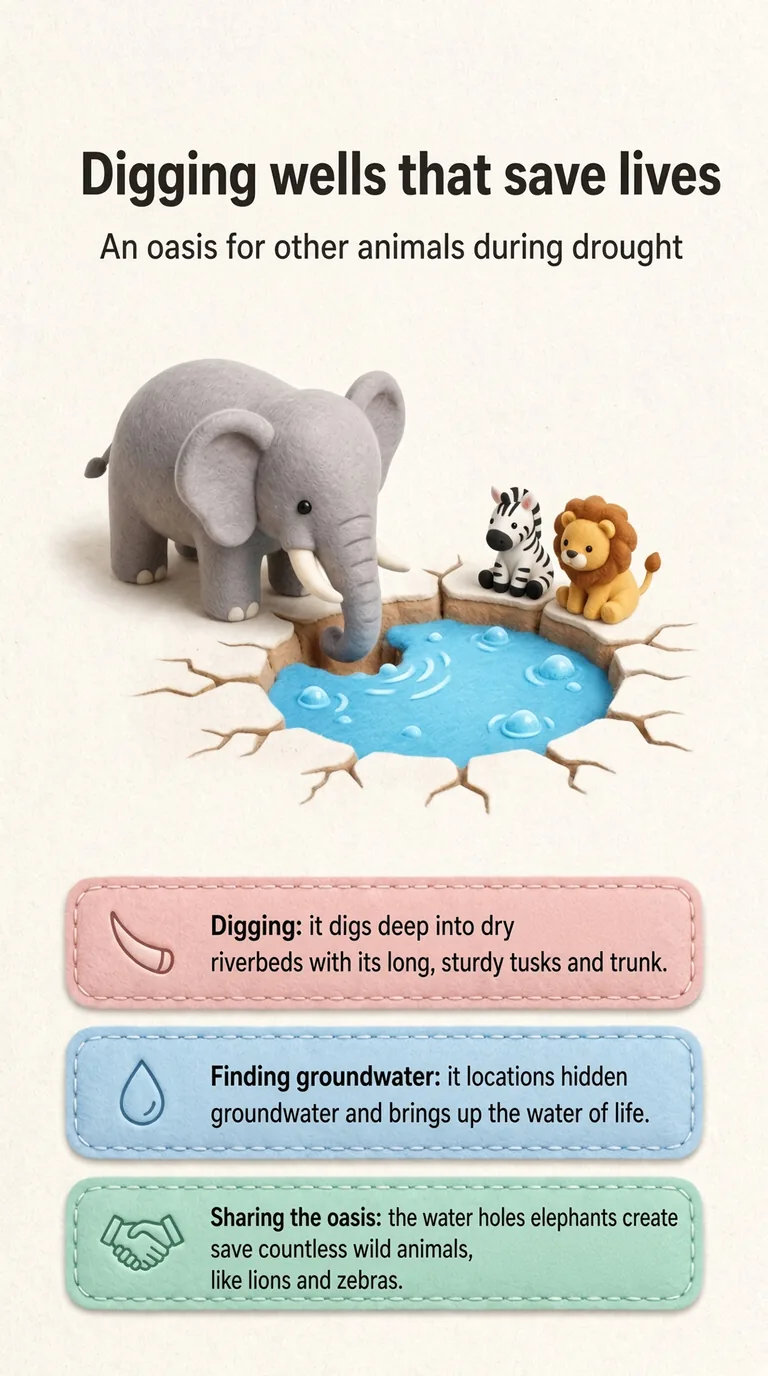
Digging wells that save lives
An oasis for other animals during drought
- Digging — it digs deep into dry riverbeds with its long, sturdy tusks and trunk.
- Finding groundwater — it locates hidden groundwater and brings up the water of life.
- Sharing the oasis — the water holes elephants create save countless wild animals, like lions and zebras.
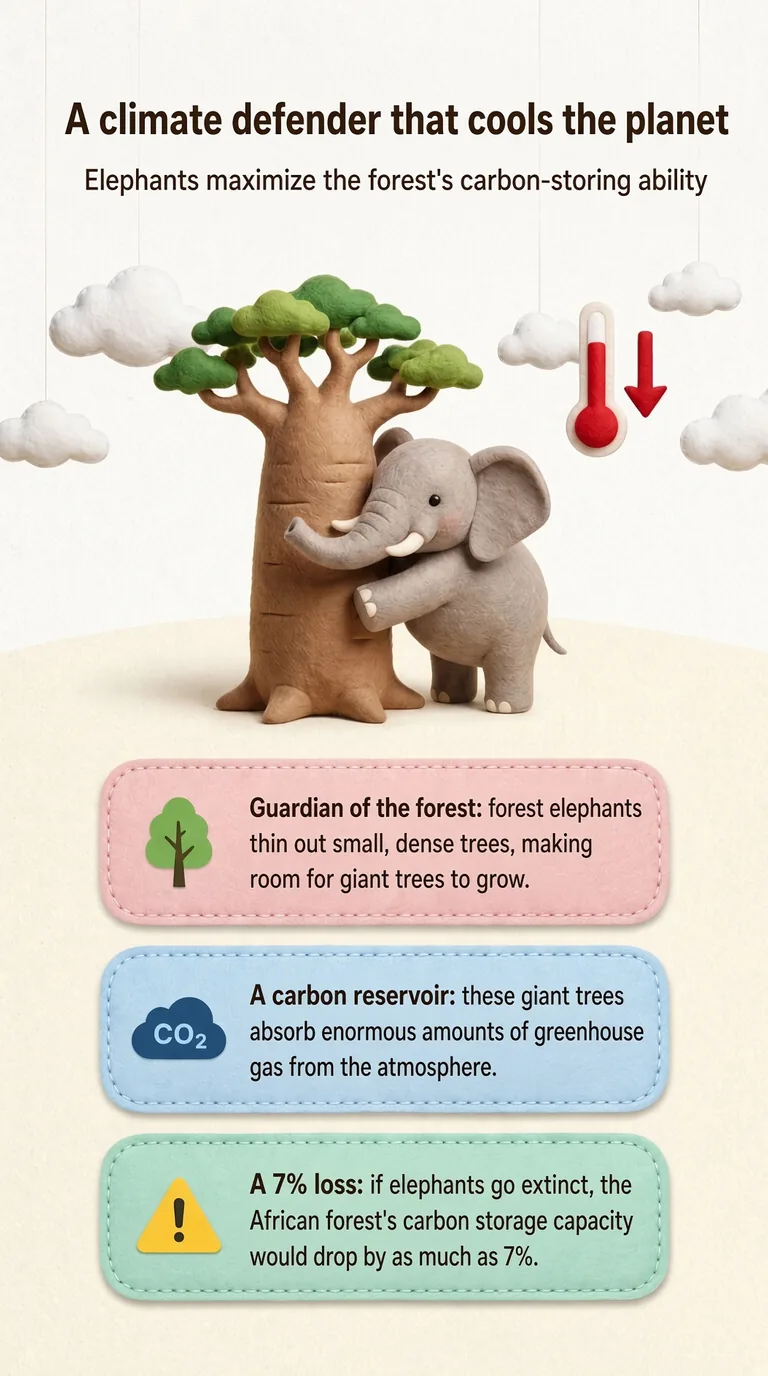
A climate defender that cools the planet
Elephants maximize the forest's carbon-storing ability
- Guardian of the forest — forest elephants thin out small, dense trees, making room for giant trees to grow.
- A carbon reservoir — these giant trees absorb enormous amounts of greenhouse gas from the atmosphere.
- A 7% loss — if elephants go extinct, the African forest's carbon storage capacity would drop by as much as 7%.