Hippopotamus
Africa
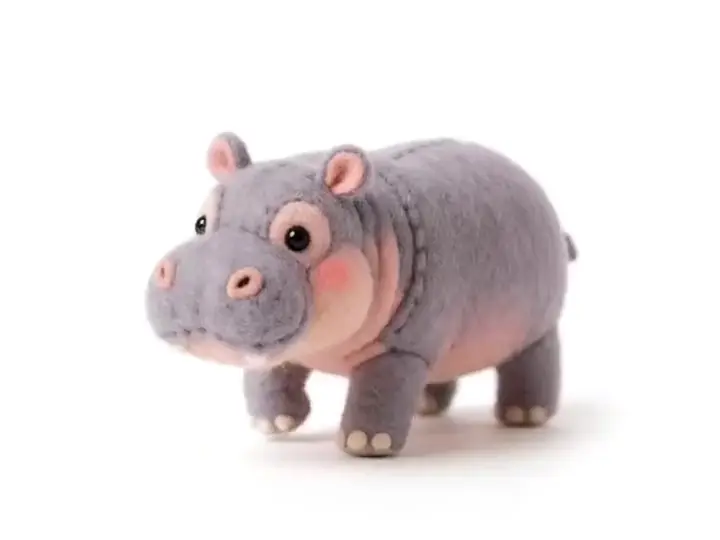
The hippo looks round and cute, but it's actually one of the most dangerous animals in Africa. It spends most of the day in the water and comes out at night to graze. It can open its mouth as wide as 150 degrees!
Quick facts
- Habitat
- It lives in and around rivers, lakes, and swamps.
- Diet
- It's a plant-eater that grazes on grass, mostly at night.
- Size and weight
- Length 3.5–5m, weight 1,500–3,200kg.
- Lifespan
- 40–50 years
- Conservation status
- Vulnerable
- Fun facts
- A hippo oozes a red, natural sunscreen that looks like sweat!
It can't swim, so it moves by bouncing along the riverbed.
Learn more
Jaws that swing open 150 degrees! Africa's giant water lover that can't actually swim

- A mysterious mammal with over 5,000 spines.
- It's mostly active at night, helping protect the forest ecosystem.
- Let's discover the fun biological traits hidden behind its cute looks.
Giant of the grassland — the hippo profile
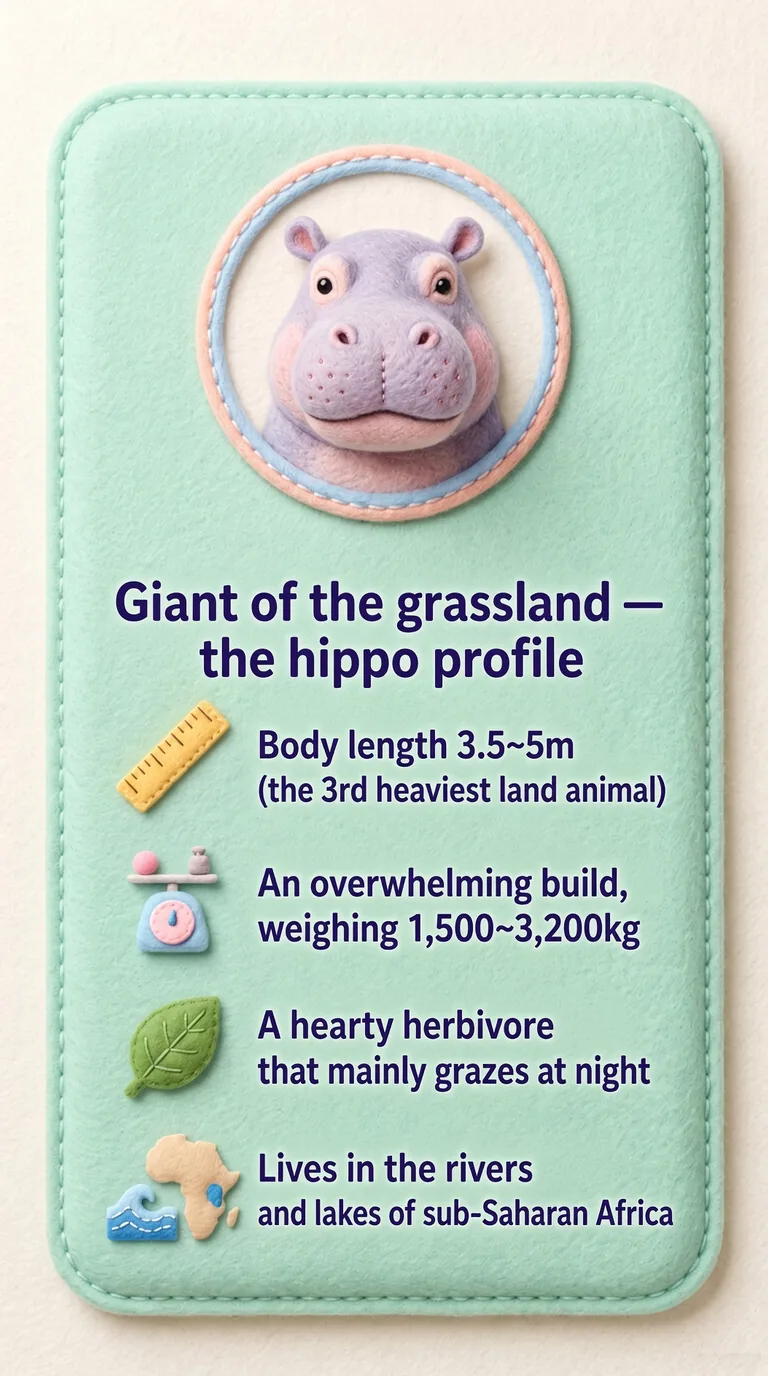
- Body length 3.5–5m (the 3rd heaviest land animal)
- An overwhelming build, weighing 1,500–3,200kg
- A hearty herbivore that mainly grazes at night
- Lives in the rivers and lakes of sub-Saharan Africa
Its name means "river horse" — but its real cousin is the whale?
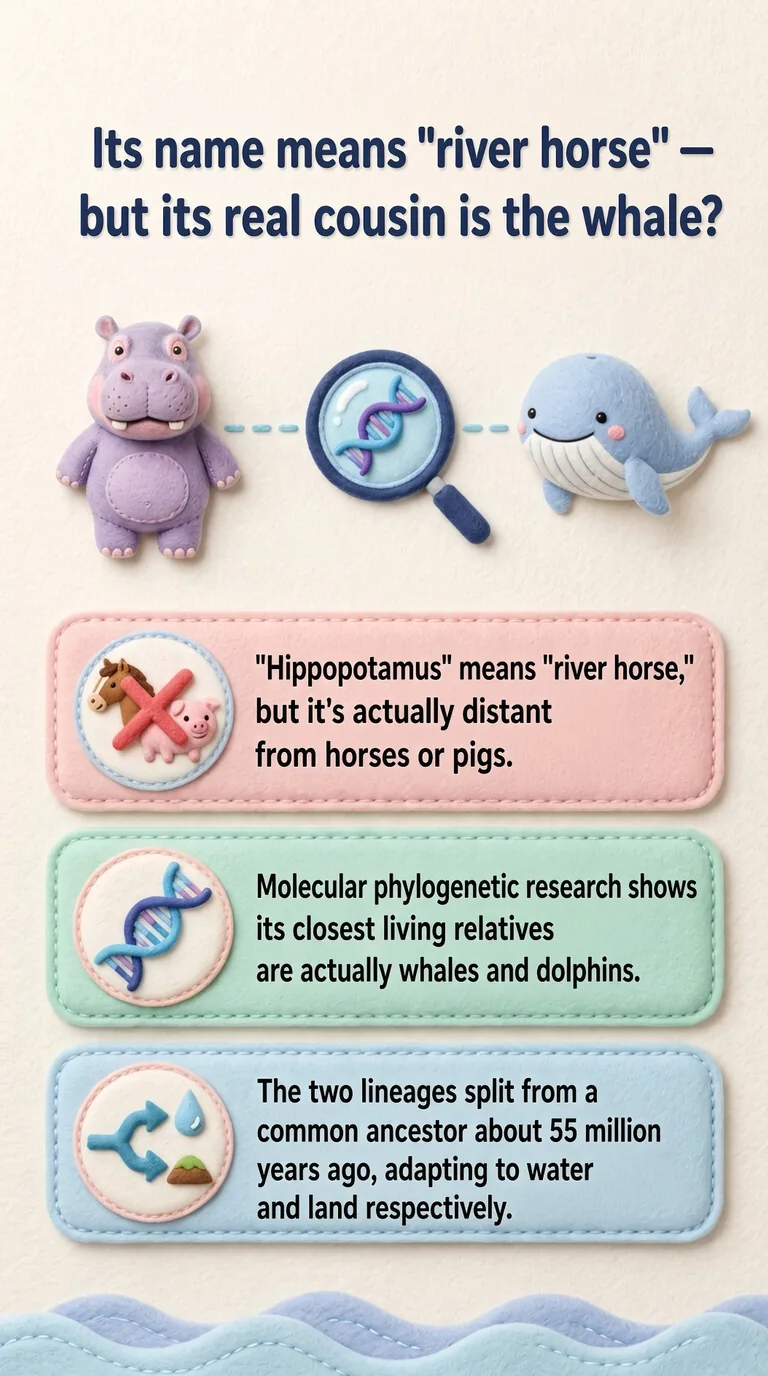
- "Hippopotamus" means "river horse," but it's actually distant from horses or pigs.
- Molecular phylogenetic research shows its closest living relatives are actually whales and dolphins.
- The two lineages split from a common ancestor about 55 million years ago, adapting to water and land respectively.
A master of aquatic life? Actually, it can't swim!
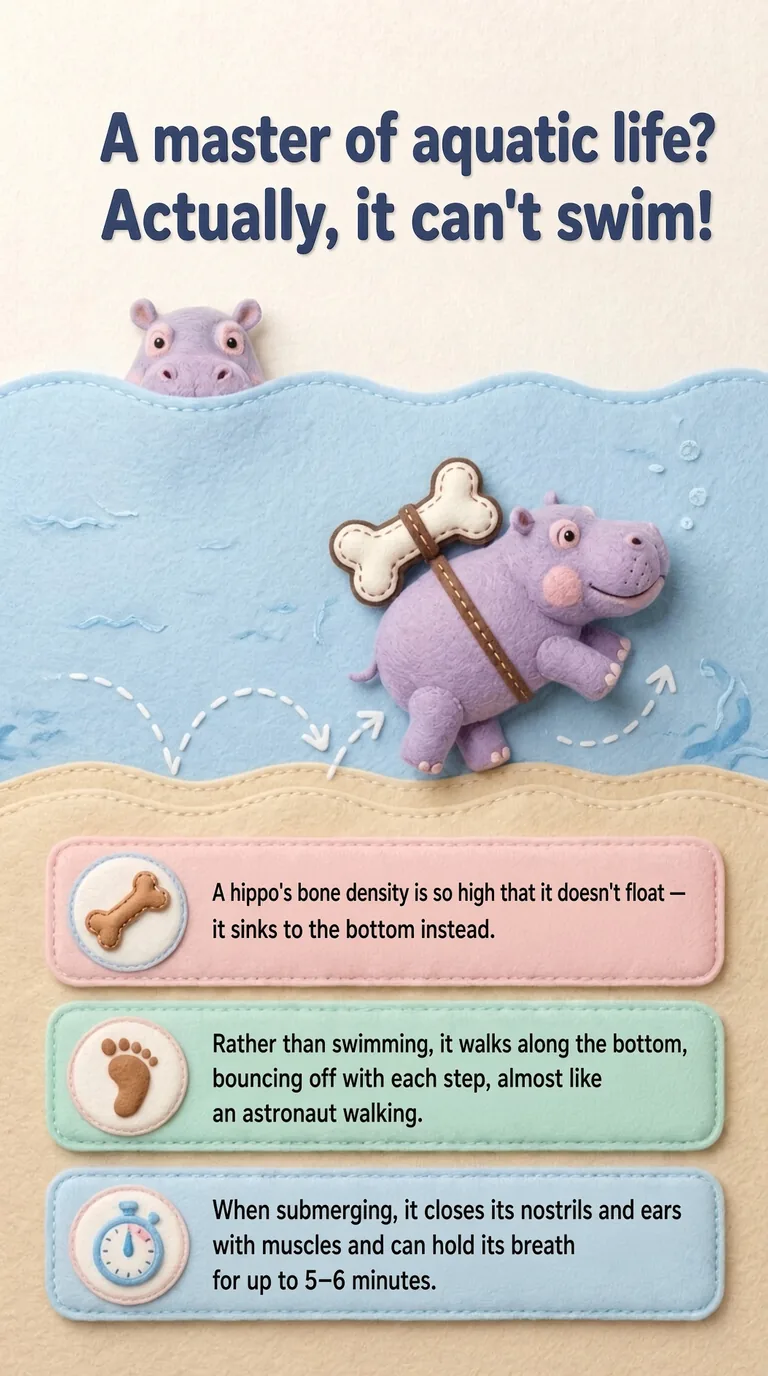
- A hippo's bone density is so high that it doesn't float — it sinks to the bottom instead.
- Rather than swimming, it walks along the bottom, bouncing off with each step, almost like an astronaut walking.
- When submerging, it closes its nostrils and ears with muscles and can hold its breath for up to 5–6 minutes.
Red sweat? A mysterious 'natural sunscreen'
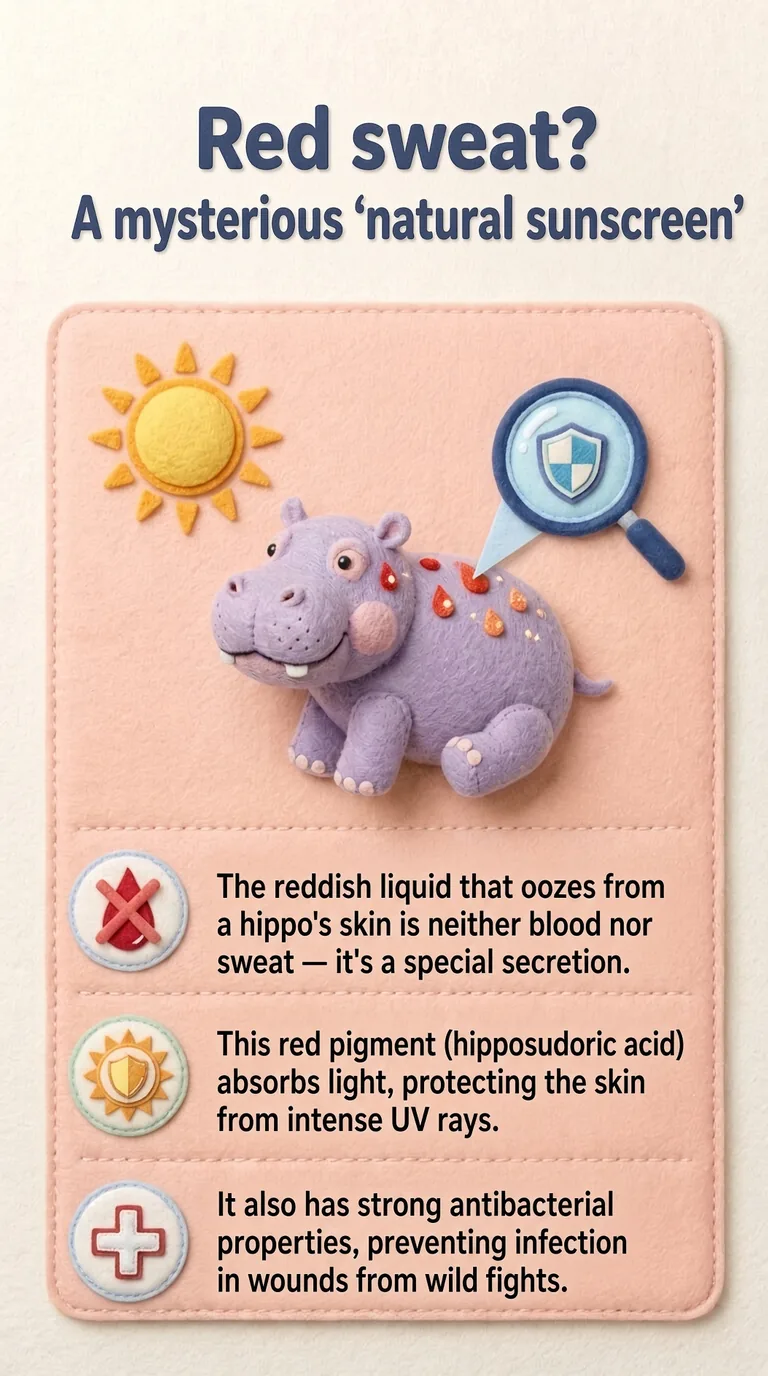
- The reddish liquid that oozes from a hippo's skin is neither blood nor sweat — it's a special secretion.
- This red pigment (hipposudoric acid) absorbs light, protecting the skin from intense UV rays.
- It also has strong antibacterial properties, preventing infection in wounds from wild fights.
Scarier than its huge size — its wide-open jaw
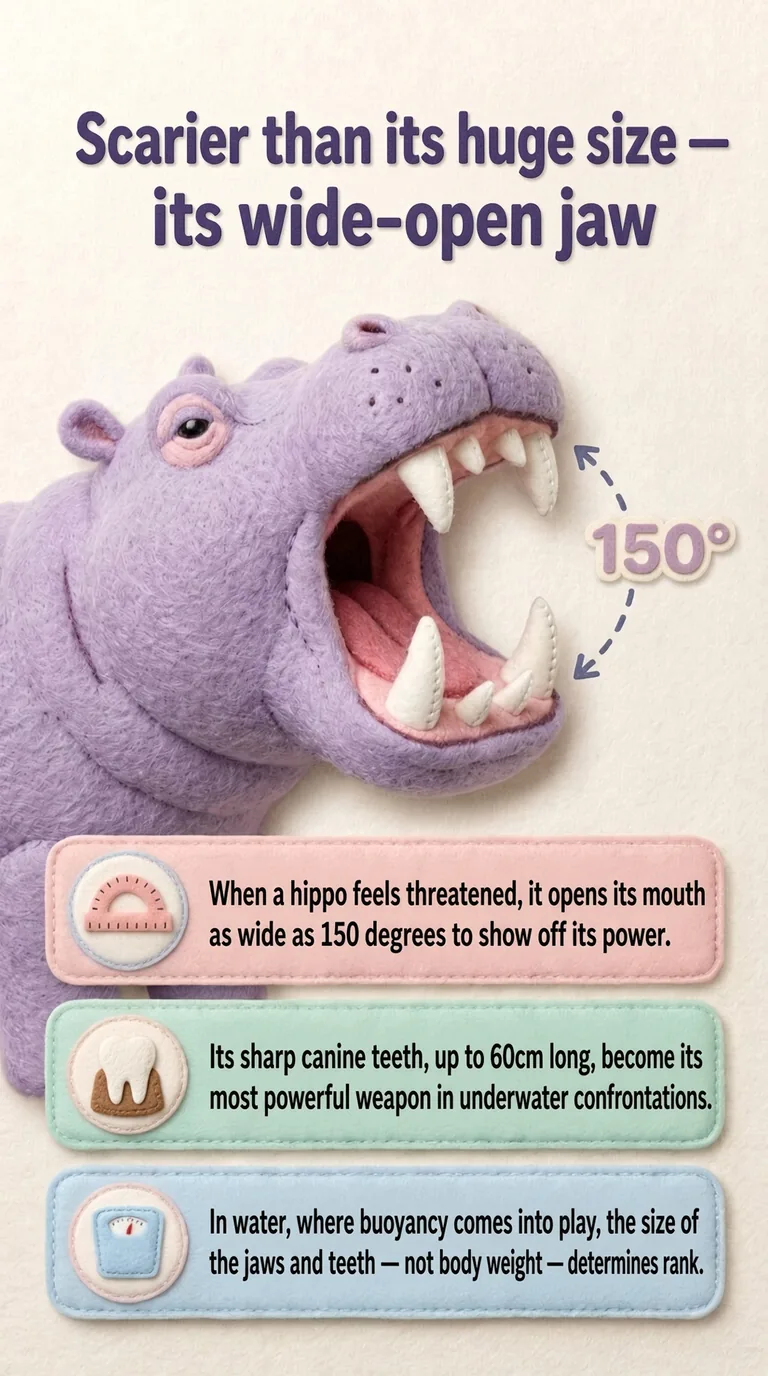
- When a hippo feels threatened, it opens its mouth as wide as 150 degrees to show off its power.
- Its sharp canine teeth, up to 60cm long, become its most powerful weapon in underwater confrontations.
- In water, where buoyancy comes into play, the size of the jaws and teeth — not body weight — determines rank.
Sleeping soundly in the water by day, feasting on the grassland by night
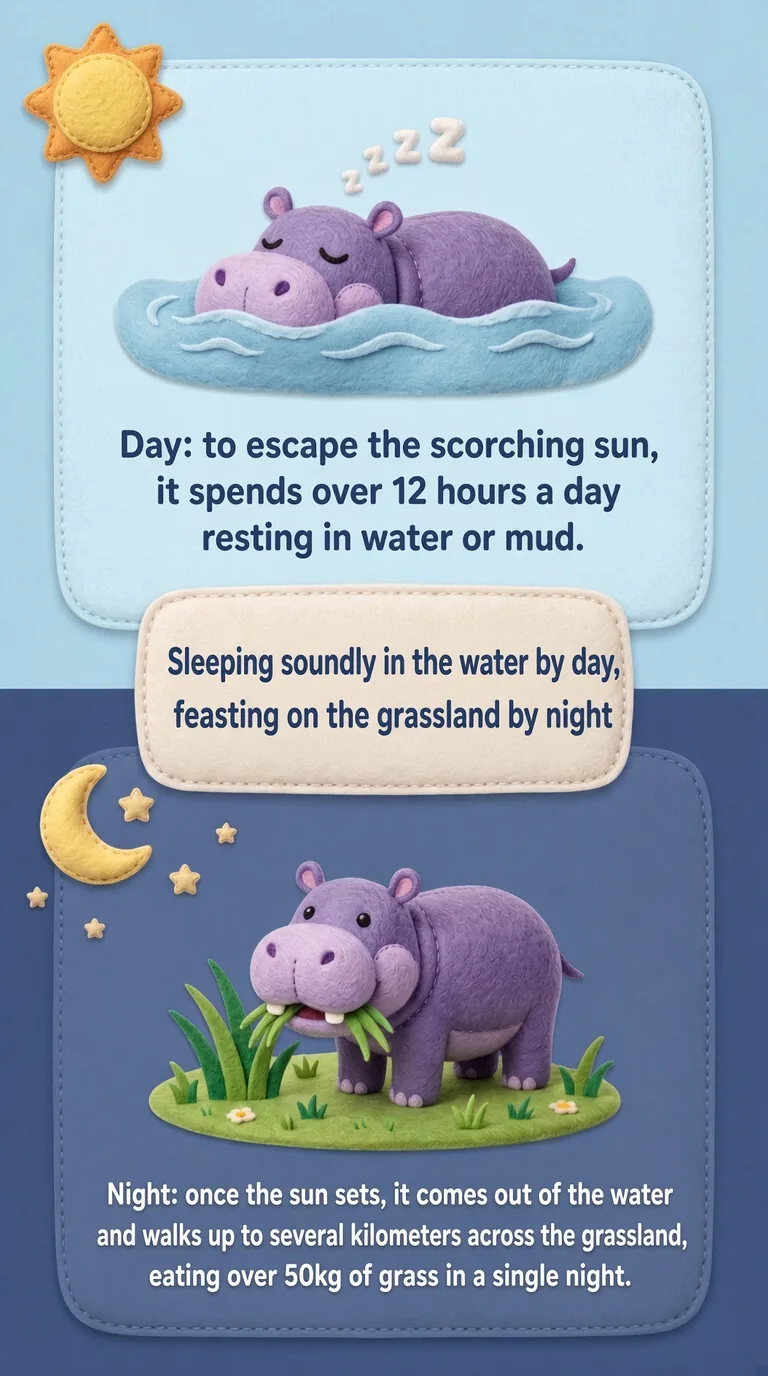
- Day — to escape the scorching sun, it spends over 12 hours a day resting in water or mud.
- Night — once the sun sets, it comes out of the water and walks up to several kilometers across the grassland, eating over 50kg of grass in a single night.
Hippo dung: ecosystem treasure vs. pollution bomb
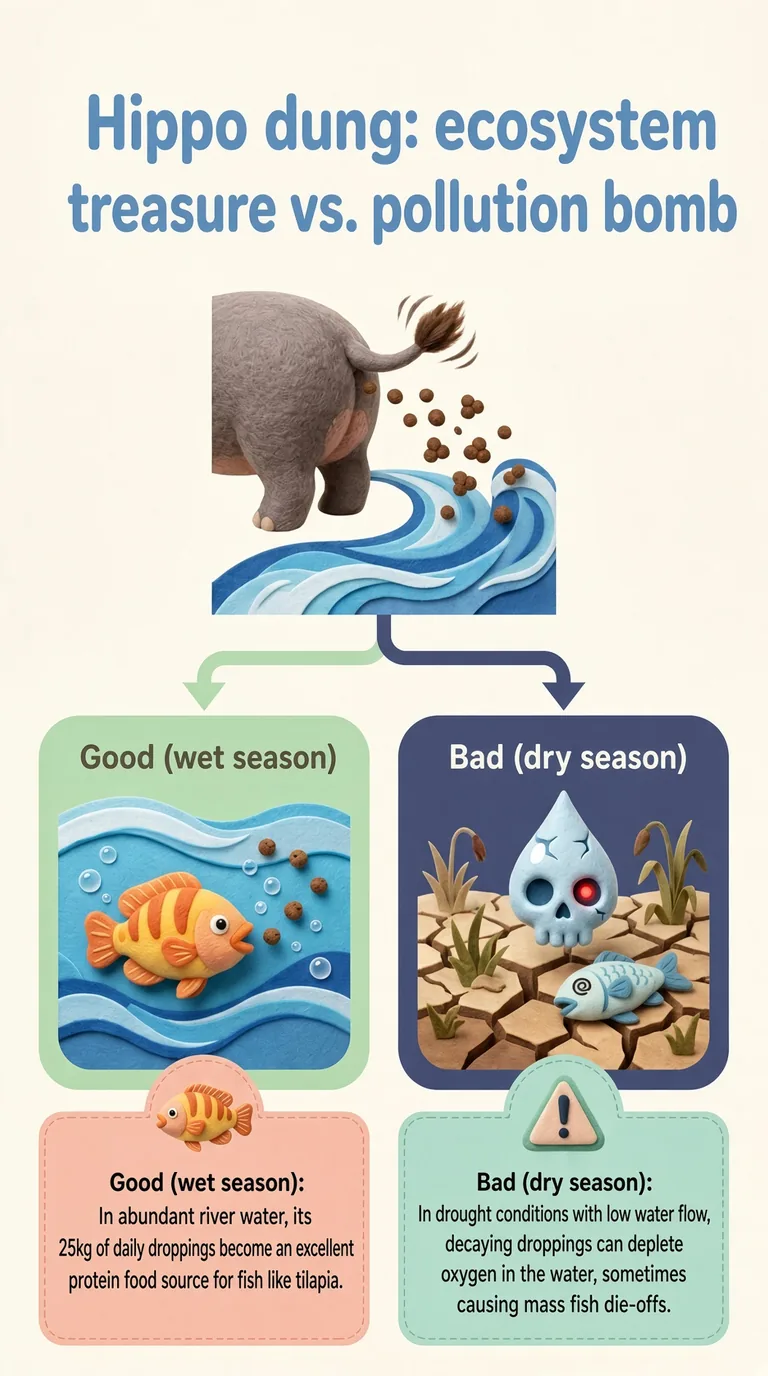
- Good (wet season)
- In abundant river water, its 25kg of daily droppings become an excellent protein food source for fish like tilapia.
- Bad (dry season)
- In drought conditions with low water flow, decaying droppings can deplete oxygen in the water, sometimes causing mass fish die-offs.
Hippo vs. pygmy hippo
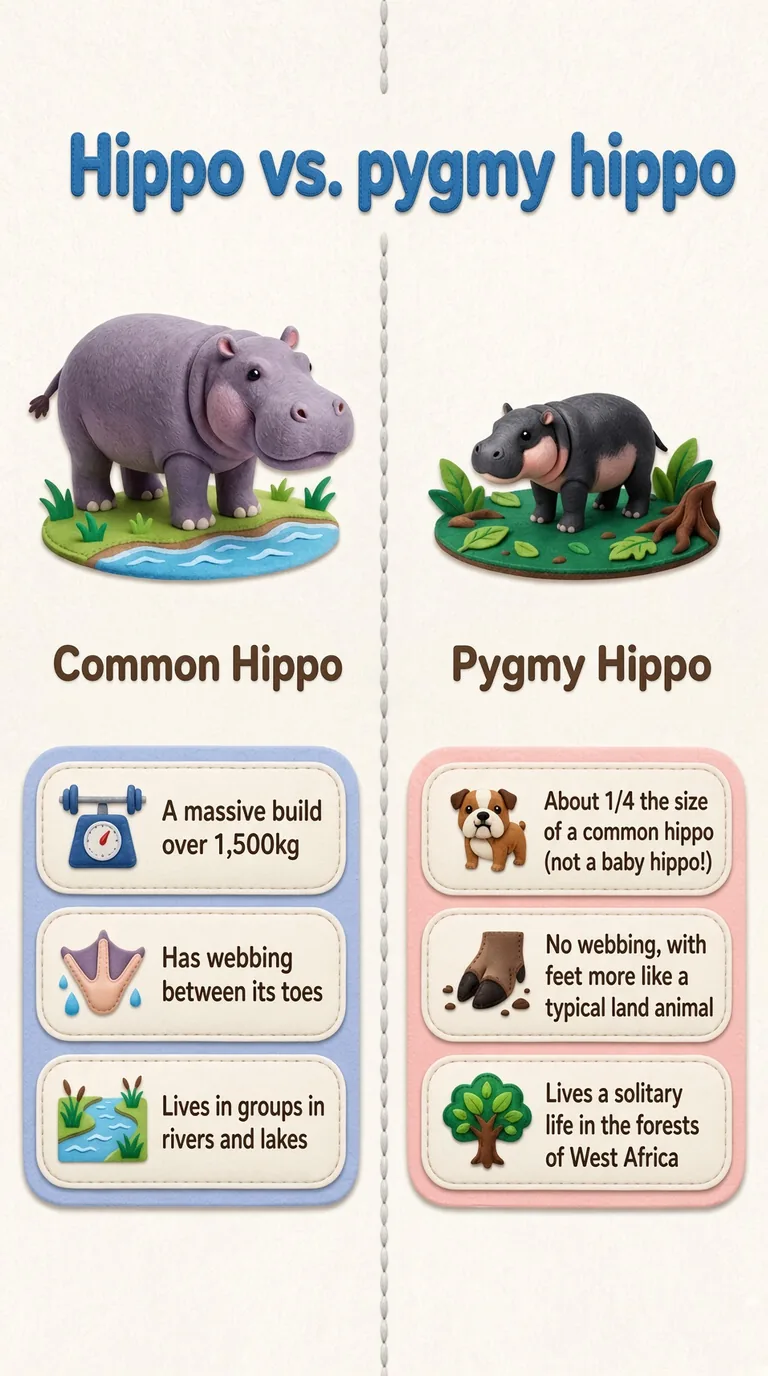
- Common Hippo
- A massive build over 1,500kg
- Has webbing between its toes
- Lives in groups in rivers and lakes
- Pygmy Hippo
- About 1/4 the size of a common hippo (not a baby hippo!)
- No webbing, with feet more like a typical land animal
- Lives a solitary life in the forests of West Africa